How to Organize Kitchen Cabinets
Turn crowded cabinets into an efficient kitchen by decluttering, creating zones around how you cook, and using simple organizers to make the most of space.
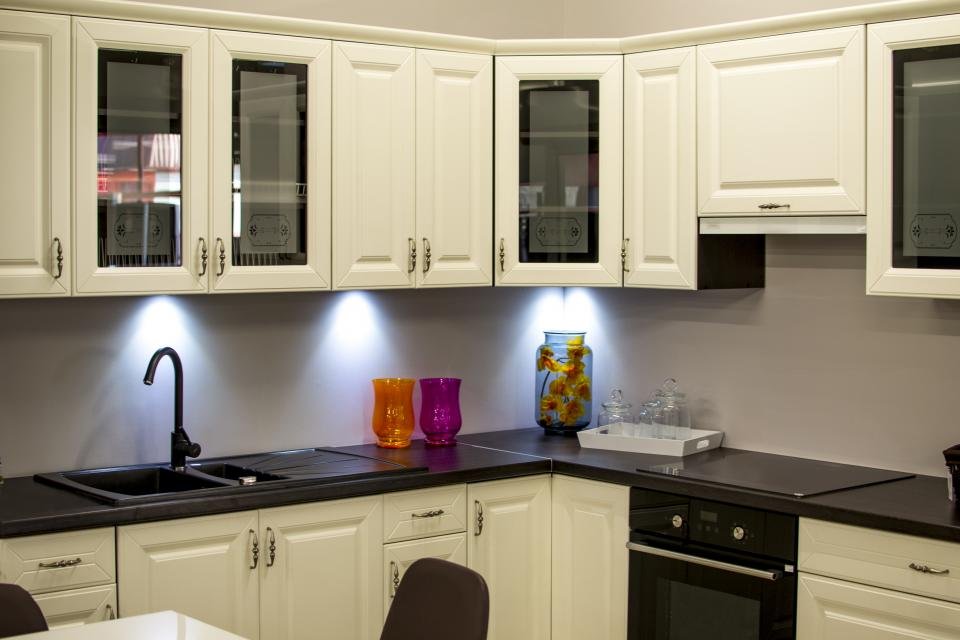
Cluttered cabinets slow you down while cooking and lead to duplicate purchases when you can’t find what you already own. A focused organizing session, done one cabinet at a time, gives you a kitchen that’s easier to use every day.
Empty and Edit
- Clear one cabinet or zone at a time so the job stays manageable and your kitchen stays usable.
- Wipe the shelves with a mild cleaner and let them dry.
- Sort everything you removed into three piles: keep, donate, and toss.
- Check expiration dates on food, spices, and baking supplies.
- Let go of duplicates, chipped dishes, lids without containers, and gadgets you haven’t used in a year.
Before you put anything back, take a look at what’s left. Notice which items you reach for daily and which ones you had forgotten you owned. That simple inventory makes the next step, deciding where everything should live, much easier and keeps you from buying organizers you don’t need.
Plan Zones Around How You Cook
Store items close to where you actually use them. A few common zones to consider:
- Cooking zone near the stove: pots, pans, oils, spices, and utensils.
- Prep zone near your main counter: cutting boards, mixing bowls, and measuring cups.
- Dish zone near the dishwasher or sink: plates, glasses, and silverware for faster unloading.
- Food storage zone: containers, wraps, and bags kept together.
- Pantry zone: dry goods grouped by type, such as grains, canned goods, and snacks.
Keep everyday items between shoulder and hip height. Put seasonal or rarely used things, like roasting pans and holiday platters, up high or toward the back.
Use Vertical Space and Simple Organizers
- Shelf risers roughly double the usable space for mugs, bowls, and plates.
- Vertical dividers let you store baking sheets, cutting boards, and muffin tins on their sides.
- Turntables make corner cabinets and spice collections easier to reach.
- Pull-out bins in deep lower cabinets bring items forward so nothing gets lost in the back.
- Door-mounted racks hold pot lids, foil, or wraps.
Before buying anything, measure each cabinet’s height, width, and depth, and note hinges or pipes that might get in the way.
Tame the Food Container Chaos
Food storage containers are one of the most common sources of cabinet clutter. Nest containers by shape and store lids upright in a separate bin or file sorter. Keep only containers that have a matching lid, and recycle the rest. Spices deserve similar treatment: line them up alphabetically or by how often you use them on a tiered rack or turntable, so labels face forward and nothing hides behind a taller jar.
Keep It Organized
- Return things to the same place every time so the system sticks.
- Label shelves or bins if several people share the kitchen.
- Do a quick reset each month, returning strays and tossing expired food.
- Store heavy items on lower shelves for safety.
- Keep cleaning products away from food, and use a child safety latch on that cabinet if you have young children.