How to Unclog a Drain Without Chemicals
Clear a slow or blocked drain using boiling water, a plunger, baking soda and vinegar, or a drain snake, with no harsh chemicals required.
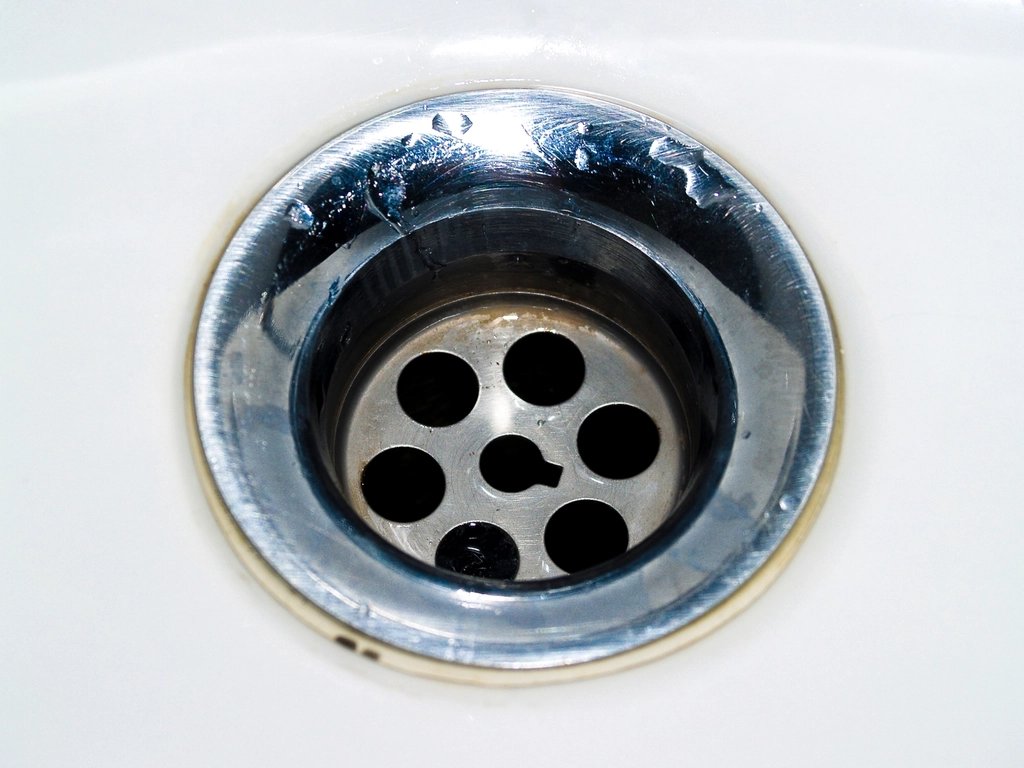
A slow or blocked drain is one of the most common household annoyances, and you can usually fix it yourself without reaching for harsh chemical cleaners. Those products can be hard on older pipes and risky to handle. The methods below use simple tools and items you probably already own.
Before You Start
Figure out what you are dealing with. Kitchen sinks usually clog with grease and food scraps, while bathroom sinks, tubs, and showers usually clog with hair and soap residue. Gather a few basics before you begin:
- Rubber gloves and an old towel
- A cup-style plunger (for sinks and tubs)
- Baking soda and white vinegar
- A kettle or pot for heating water
- A plastic drain-cleaning strip or a small hand-crank drain snake
Safety note: if you already poured a chemical drain cleaner down the drain, do not plunge or add vinegar. Flush with plenty of water first and wear eye protection, since splashback can burn.
Method 1: Hot Water and a Plunger
- Remove the drain stopper or strainer and pull out any visible debris.
- Pour a kettle of very hot water slowly into the drain. Use hot tap water instead of boiling water if you have plastic PVC pipes, since boiling water can soften joints.
- Leave a few inches of water in the basin so the plunger can form a seal.
- Block the overflow hole with a wet cloth so pressure goes toward the clog.
- Plunge firmly up and down about 15 to 20 times, then pull away quickly and see if the water drains.
Method 2: Baking Soda and Vinegar
This combination works best on mild buildups of grease and soap scum.
- Run hot water for a minute, then let the drain empty as much as possible.
- Pour about half a cup of baking soda directly into the drain.
- Follow with about a cup of white vinegar and cover the opening with a stopper or wet cloth.
- Wait 15 to 30 minutes while the fizzing loosens residue.
- Flush with a kettle of hot water. Repeat once if the drain is still slow.
Method 3: Pull Out the Clog
For hair clogs, mechanical removal is often the fastest fix.
- Push a plastic barbed drain strip down the drain, twist it, and pull it back out slowly. Expect to see hair and gunk.
- For deeper clogs, feed a hand-crank drain snake into the pipe until you feel resistance, then crank to grab or break up the blockage.
- Under a kitchen or bathroom sink, you can also place a bucket below the curved P-trap, unscrew its slip nuts by hand, and clean it out. Reassemble it snugly and run water to check for leaks.
Keep Your Drains Clear
- Use a mesh strainer in sinks and a hair catcher in the shower.
- Never pour cooking grease down the sink; let it cool and throw it in the trash.
- Flush drains with hot water once a week to rinse away early buildup.
If several drains back up at once, water comes up in other fixtures, or nothing above works, the problem may be further down the main line. That is a good time to call a licensed plumber.