How to Start Strength Training at Home
Build real strength without a gym. This beginner plan covers the key movements, simple equipment, a weekly schedule and how to progress safely.
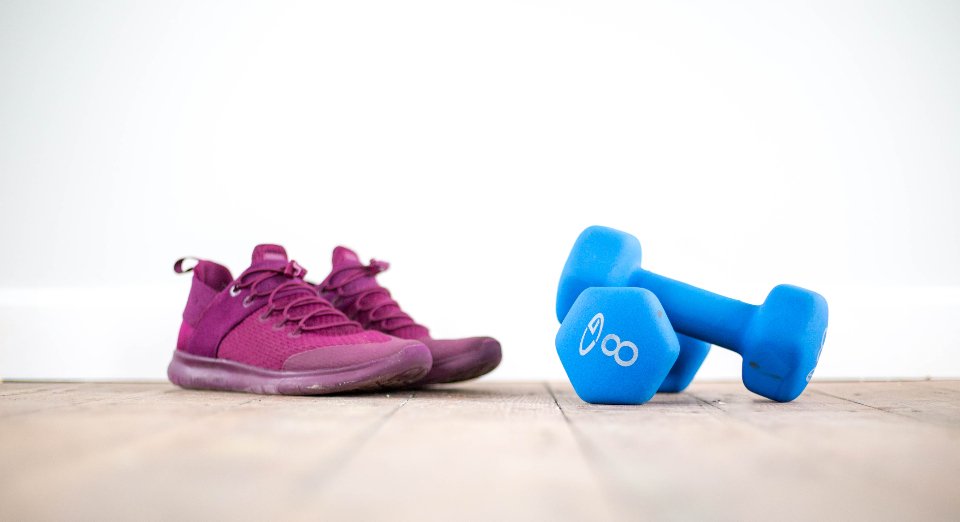
You don’t need a gym membership or a garage full of equipment to get stronger. A small patch of floor, a few basic movements and a consistent schedule are enough to build muscle, support your joints and make everyday tasks feel easier. This guide walks you through setting up a simple routine you can actually stick with.
Check In Before You Begin
If you’re new to exercise, are pregnant, or have heart problems, joint pain, a past injury or another health condition, talk to your doctor before starting a new routine. Once you have the green light, start lighter than you think you need to. Your muscles adapt quickly, but tendons and ligaments take longer, so a gentle start helps you avoid early aches that derail your progress.
Learn the Core Movement Patterns
Most strength routines are built around a handful of basic movements. Cover each of these and you’ll train your whole body:
- Squat: bodyweight squats or sitting down to a chair and standing back up.
- Hinge: glute bridges or hip hinges, which work the backs of your legs and hips.
- Push: push-ups against a wall, counter or the floor.
- Pull: rows using a resistance band anchored in a door or a pair of dumbbells.
- Carry and core: planks, dead bugs, or walking while holding a heavy bag in each hand.
Gather Simple Equipment
Bodyweight alone will take you a long way at first. When you’re ready for more, a set of resistance bands is affordable and easy to store. Adjustable dumbbells or a single kettlebell add plenty of options. Household items such as a backpack filled with books or water bottles can also work as weights. A non-slip mat makes floor exercises more comfortable.
Follow a Simple Weekly Plan
- Choose two or three non-consecutive days, such as Monday, Wednesday and Friday.
- Warm up for five minutes with marching in place, arm circles and a few easy squats.
- Pick one exercise from each movement pattern.
- Do two to three sets of 8 to 12 reps per exercise, resting about a minute between sets.
- Finish with a few minutes of easy stretching for your legs, hips and chest.
A full session like this usually takes 30 to 40 minutes. Keep a short log of what you did so you can see your improvement over time.
Progress Safely Over Time
When you can complete all your sets with good form and a few reps to spare, make it slightly harder. Add a couple of reps, use a stronger band, increase the weight a little, or slow down each rep. Change only one thing at a time.
Some muscle soreness a day or two after a new workout is normal. Sharp pain, joint pain or pain that lingers is not, so stop that exercise and get advice before continuing.
Keep It Going
Consistency beats intensity. Schedule your sessions like appointments, keep them short enough to fit your week, and celebrate small wins like an extra rep or a cleaner squat. A few months of steady effort will add up to noticeable strength.