How to Trim Your Dog’s Nails
Trim your dog's nails safely at home. Learn what tools to use, how to avoid the quick, and how to make nail care calmer for your dog.
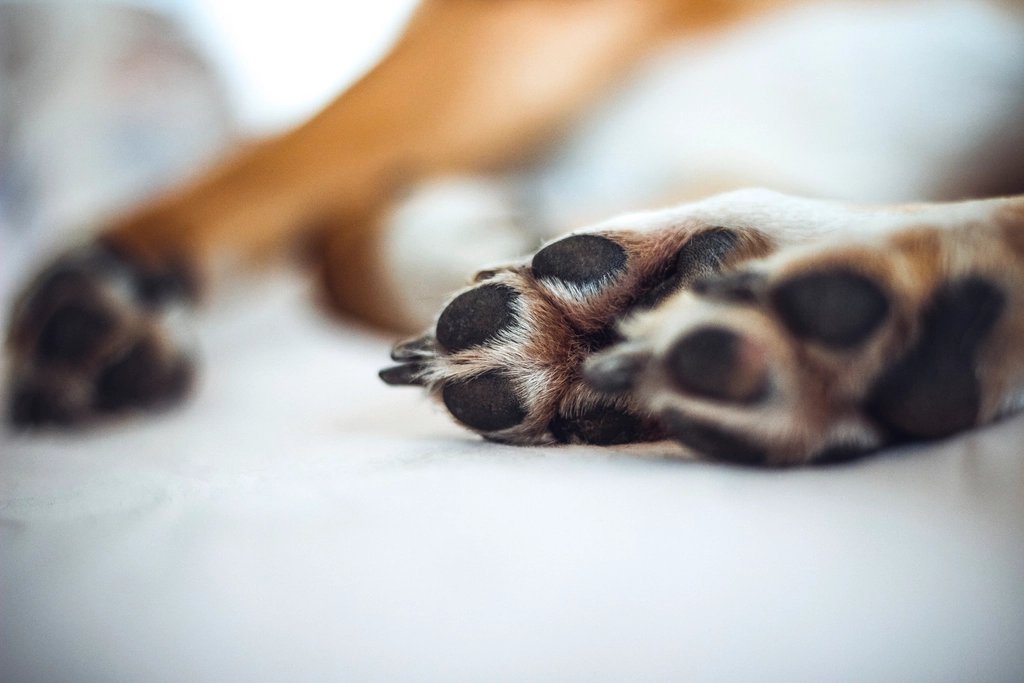
Overgrown nails can be uncomfortable for your dog, affecting how they stand and walk and making them more likely to snag or split. If you hear clicking on hard floors, it’s probably time for a trim. With the right tools and a patient approach, you can keep your dog’s nails in good shape at home.
Gather Your Tools
- Nail clippers: scissor-style or guillotine-style clippers made for dogs, sized for your dog.
- Nail grinder (optional): files the nail down gradually and can be easier for dark nails.
- Styptic powder: stops bleeding quickly if you cut too short. Cornstarch can work in a pinch.
- Treats: plenty of small, dog-safe rewards.
- Good lighting: so you can see each nail clearly.
Understand the Quick
Inside each nail is the quick, a sensitive area containing blood vessels and nerves. Cutting into it hurts and causes bleeding, so the goal is to trim only the tip. On light-colored nails, the quick appears as a pink area. On dark nails it’s hard to see, so trim tiny slivers at a time. When the freshly cut surface shows a small dark dot in the center, stop: you’re getting close to the quick. A grinder can make this easier because it removes so little nail at a time.
Trim Step by Step
- Choose a calm moment, perhaps after exercise, when your dog is relaxed.
- Sit with your dog in a comfortable position, or have a helper gently hold and reassure them.
- Hold one paw firmly but gently, pressing lightly on the toe pad to extend the nail.
- Clip a small amount from the tip at a slight angle, following the nail’s natural curve.
- Reward your dog after each nail or each paw.
- Don’t forget the dewclaws on the inner side of the legs, if your dog has them.
If you’re using a grinder, touch it to the nail for a second or two at a time to avoid heat buildup, and keep long fur away from the spinning part.
If You Cut Too Short
It happens to even experienced owners. Stay calm, press a pinch of styptic powder or cornstarch onto the nail tip and hold it for about a minute. Bleeding usually stops quickly. Give your dog a treat and end the session on a calm note. If bleeding continues for more than a few minutes, contact your vet.
Making It Easier Over Time
- Handle your dog’s paws regularly, with rewards, so it feels normal.
- Let your dog sniff the clippers or hear the grinder before using them.
- Trim just one or two nails per session if your dog is anxious.
- Trim little and often, roughly every few weeks, which can help the quick recede over time.
If your dog is very stressed, fights handling or has injured or unusual nails, ask your vet or a professional groomer for help. They can trim safely and show you techniques to use at home.