How to Cut Back on Sugar
Reduce added sugar without feeling deprived. Learn where it hides, how to swap drinks and snacks, and how to retrain your taste buds gradually.
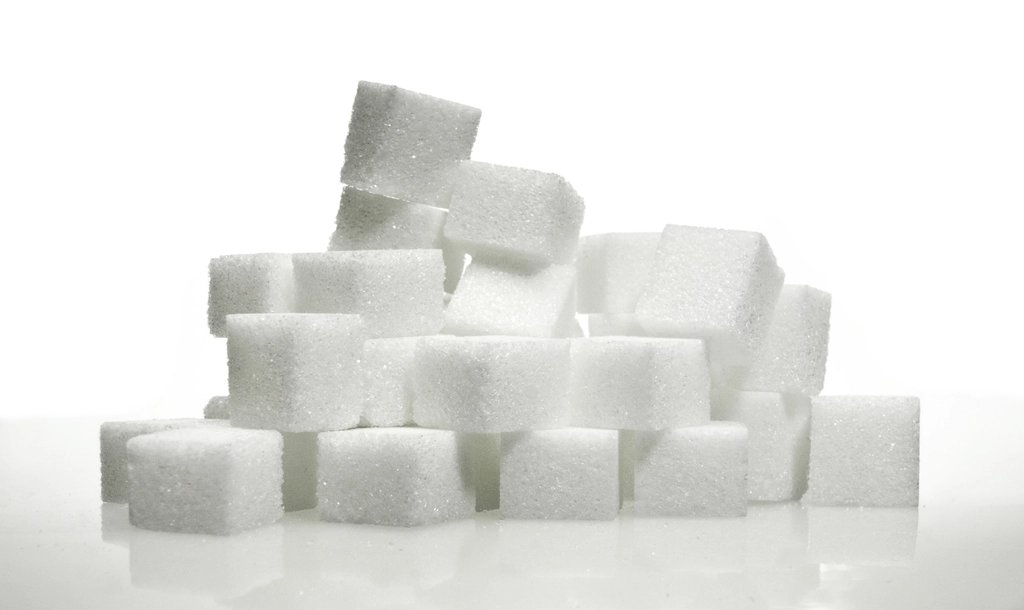
Eating less added sugar is one of the most common healthy-eating goals, and for good reason: most mainstream health guidance recommends keeping it limited. You don’t have to give up dessert forever. Small, steady changes can bring your intake down while still letting you enjoy your food.
Find Out Where Your Sugar Comes From
Before changing anything, spend a few days noticing what you eat and drink. Sweetened drinks are often the biggest source, followed by snacks, breakfast foods and desserts. Sugar also hides in foods that don’t taste especially sweet, such as:
- Pasta sauces, ketchup and barbecue sauce
- Flavored yogurts and granola
- Bread, crackers and salad dressings
- “Low-fat” products, which sometimes add sugar to improve taste
Check the added sugars line on nutrition labels and look for sugar’s many names in the ingredient list.
Start With Your Drinks
Cutting back on sugary drinks is often the easiest win because they don’t fill you up the way food does.
- Replace one soda or sweetened coffee a day with water, sparkling water or unsweetened tea.
- Add flavor naturally with slices of lemon, lime, cucumber or a few berries.
- If you sweeten tea or coffee, reduce the amount gradually, for example from two teaspoons to one and a half, then one.
- Treat fruit juice as an occasional drink rather than an everyday one, and choose whole fruit more often.
Swap Your Snacks and Breakfasts
Breakfast cereals, pastries and flavored oatmeal can contain more sugar than you’d guess. Try plain oats topped with fruit and nuts, eggs with whole-grain toast, or plain yogurt with berries. For snacks, reach for fruit, a handful of nuts, cheese, vegetables with hummus or air-popped popcorn.
Keeping these options visible and easy to grab helps a lot. Likewise, store sweets out of sight or buy them in smaller packages.
Cook More at Home
Preparing more of your own meals gives you control over how much sugar goes in. When baking, many recipes still turn out well with a bit less sugar than listed. Spices such as cinnamon, nutmeg and vanilla add a sense of sweetness without extra sugar. Make your own simple sauces and dressings so you know exactly what’s in them. Try mashed banana or unsweetened applesauce in baked goods for natural sweetness, and buy plain versions of foods like yogurt and oatmeal so you control the toppings yourself.
Handle Cravings Kindly
- Go gradually: your taste buds tend to adjust over a few weeks, and foods may start tasting sweeter.
- Eat balanced meals: protein, fiber and healthy fats help keep you full and steady between meals.
- Plan your treats: enjoy a dessert you really love rather than grazing on sweets you barely notice.
- Don’t aim for perfect: one sweet day doesn’t undo your progress.
If you have diabetes or another health condition that affects your diet, talk to your doctor or a registered dietitian about the right approach for you.