How to Grow Tomatoes in Containers
Grow juicy tomatoes on a patio or balcony with a big enough pot, the right variety, full sun and consistent watering.
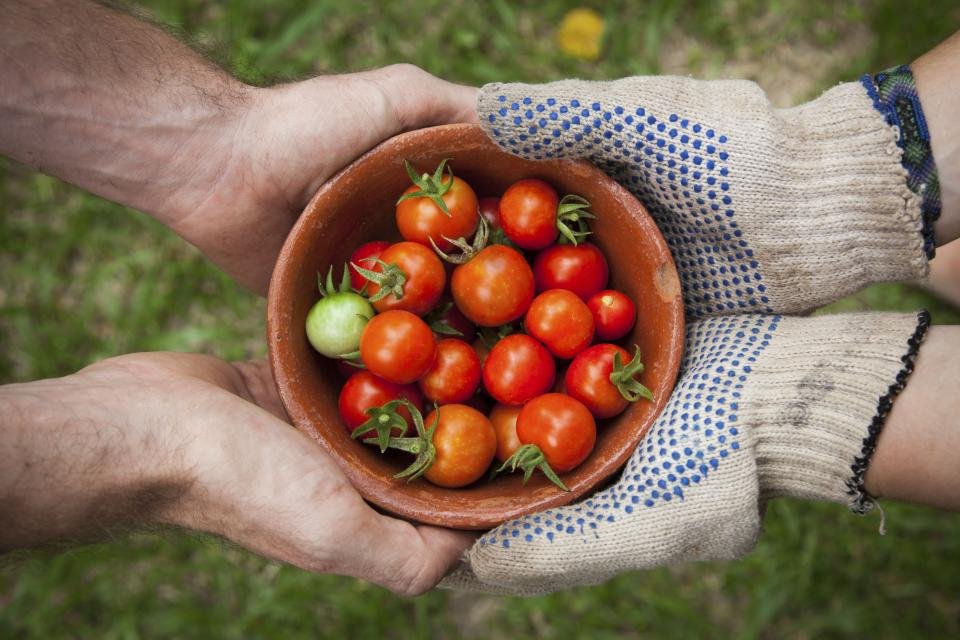
You don’t need a backyard to grow your own tomatoes. A sunny balcony, deck or driveway can produce a steady supply of fruit that tastes far better than most store-bought tomatoes. Container tomatoes need more attention to watering than garden-grown plants, but the setup is simple.
Choose the Right Variety
Look for plant labels that mention containers, patios or compact growth. Determinate varieties stay bushier and ripen most of their fruit over a few weeks, which suits pots well. Cherry tomatoes are especially productive and forgiving for beginners. Larger indeterminate types keep growing and fruiting all season but need a very big pot and sturdy support.
Pick a Big Enough Pot
Bigger is better. Aim for a container that holds at least 5 gallons for compact varieties and 10 gallons or more for larger plants. Make sure it has drainage holes. Fabric grow bags, plastic pots and half barrels all work. Dark plastic pots in full sun can overheat roots, so light-colored containers are a good choice in hot climates.
Fill the pot with a quality potting mix, not garden soil. Mixing in some compost adds nutrients and helps hold moisture.
Planting Step by Step
- Wait until nighttime temperatures stay above 50°F and all danger of frost has passed.
- Insert a sturdy stake or tomato cage into the pot before planting so you don’t damage roots later.
- Remove the lowest leaves from the seedling.
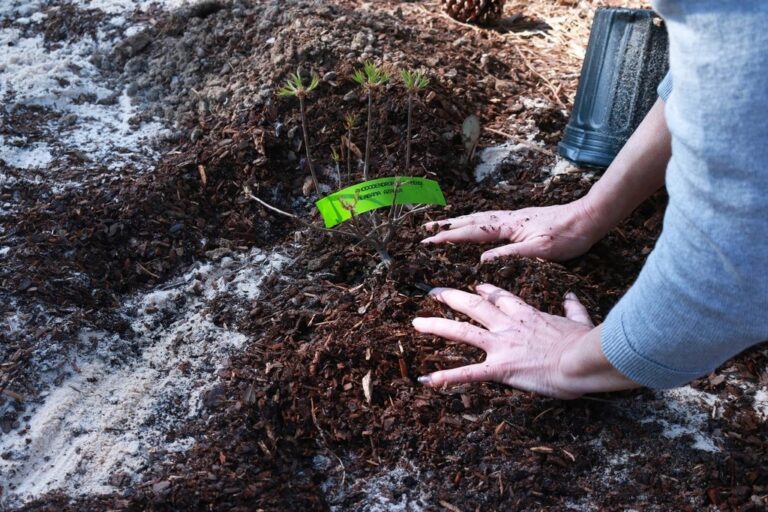
- Plant it deep, burying the stem up to the remaining leaves. Tomatoes grow extra roots along buried stems, creating a stronger plant.
- Water thoroughly and place the pot where it gets six to eight or more hours of direct sun daily.
Water and Feed Consistently
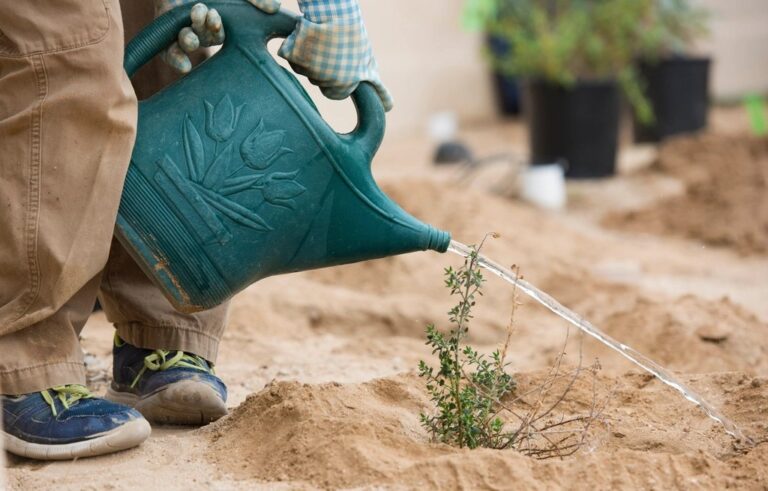
Containers dry out quickly, especially in summer, and uneven watering can cause cracked fruit and blossom end rot, which shows up as dark, sunken patches on the bottom of the tomatoes. Check the soil daily and water deeply whenever the top inch feels dry. In hot weather, that may be every day. Water at the base, ideally in the morning, to keep leaves dry and reduce disease.
Feed with a fertilizer made for tomatoes or vegetables according to the label, usually every one to two weeks once flowers appear. Store fertilizers and any garden sprays out of reach of children and pets. Tomato leaves and stems can also upset pets’ stomachs if chewed, so keep curious animals away from the plants.
Harvesting
Pick tomatoes when they are fully colored and give slightly when gently squeezed. If a cold snap or pests threaten, you can pick them once they start to change color and let them finish ripening on the counter, out of direct sun. Never refrigerate tomatoes you plan to eat soon, as it dulls their flavor.
Tips for a Bigger Crop
- Tie stems loosely to the stake with soft garden twine as the plant grows.
- Remove yellowing lower leaves to improve airflow.
- Gently shake flowering stems on still days to help with pollination.
- Mulch the soil surface to slow evaporation.