How to Stay Safe While Traveling Solo
Travelling alone is rewarding and empowering. These practical safety habits help you stay confident, connected and aware wherever you go.
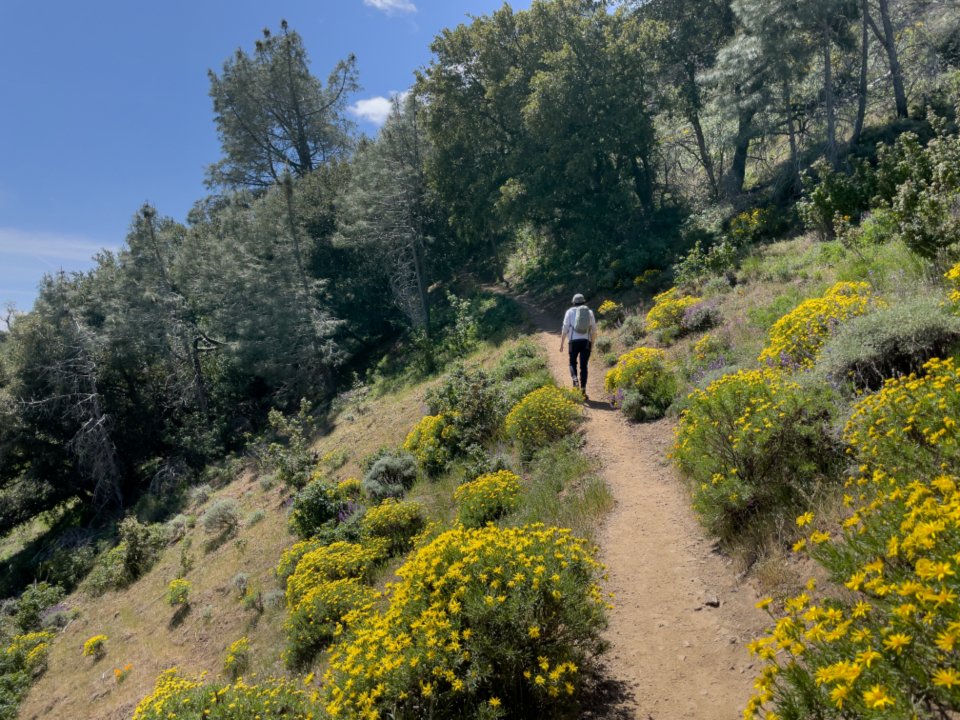
Travelling on your own gives you complete freedom over your plans and often leads to memorable encounters you’d never have in a group. It also means you’re responsible for your own safety. These sensible habits help you feel confident without letting worry take over the adventure.
Research Before You Go
Good preparation is your best protection. Read your government’s official travel advice for your destination, which covers safety, local laws, health and entry requirements. Learn about common scams in the area, local customs and dress expectations, and which neighbourhoods are best for visitors.
- Note the local emergency number and the location of your country’s embassy or consulate.
- Learn a few basic phrases in the local language, including how to ask for help.
- Arrange travel insurance that covers medical care and the activities you plan to do.
- Save digital copies of your passport, insurance and bookings somewhere secure that you can access from any device.
Choose Accommodation Wisely
- Read recent reviews, especially from other solo travellers, paying attention to comments about location and security.
- Pick places in well-lit, central areas with good transport links.
- Try to arrive during daylight, particularly on your first night in a new place.
- Check that doors and windows lock properly, and use the room safe or a locker for valuables.
- Be discreet about your room number and the fact that you’re travelling alone.
Stay Connected
Share your itinerary with a trusted friend or family member, and agree on regular check-ins. Update them when plans change. Keep your phone charged and carry a portable power bank. Consider a local SIM card or an international data plan so you can use maps and messaging apps wherever you are. Offline maps are a useful backup when your connection drops.
Protect Your Money and Belongings
Spread your money across different places, such as a main wallet, a hidden pouch and your bag, so losing one doesn’t leave you stranded. Carry a backup card stored separately. Use ATMs inside banks or busy, well-lit areas, and shield your PIN. Keep expensive items out of sight, and stay alert in crowded spots like markets and stations, where pickpockets often operate.
Trust Your Instincts
Your gut feeling is a valuable safety tool. If a situation, place or person makes you uncomfortable, leave without worrying about seeming rude. Use licensed taxis or reputable ride services, and check that the vehicle and driver details match before you get in. Watch your drink, know your limits with alcohol and plan how you’ll get back to your accommodation before a night out.
Enjoy the Journey
Solo travel safety isn’t about being fearful; it’s about being prepared. Join group tours or walking tours to meet people safely, chat with staff at your accommodation for local tips and give yourself time to settle in. With a few precautions in place, you’ll be free to enjoy everything travelling alone has to offer.