How to Lower Your Utility Bills
Energy and water costs can creep up quietly. These simple changes around your home help you use less and pay less each month.
Utility bills are a fixed part of life, but the amount you pay isn’t. Many households can trim their energy and water costs with free habit changes and a few low-cost fixes. Start with the easy wins below and build from there.
Understand What You’re Paying For
Before making changes, look at your last few bills. Note how much you use each month and how that changes with the seasons. If you have a smart meter or an online account with your supplier, use it to see when your usage peaks.
Check that your meter readings are accurate, since estimated bills can be too high. If your provider offers different tariffs or time-of-use pricing, compare them against your actual usage. Options and rules vary by country and region, so see what’s available where you live.
Cut Heating and Cooling Costs
Heating and cooling often make up the largest share of household energy use.
- Lower your thermostat slightly in winter and raise it slightly in summer. Even small adjustments help.
- Use a programmable or smart thermostat so you’re not heating or cooling an empty home.
- Seal draughts around doors, windows and letterboxes with inexpensive strips or draught excluders.
- Close curtains at night in winter and during the hottest part of the day in summer.
- Have your heating or cooling system serviced so it runs efficiently.
Save Electricity Around the House
- Switch to LED bulbs, which use far less energy and last longer than older bulbs.
- Turn off devices at the wall rather than leaving them on standby.
- Run full loads in your washing machine and dishwasher, and use eco settings.
- Wash clothes at lower temperatures and dry them on a line when you can.
- Keep your fridge and freezer at recommended temperatures and defrost freezers regularly.
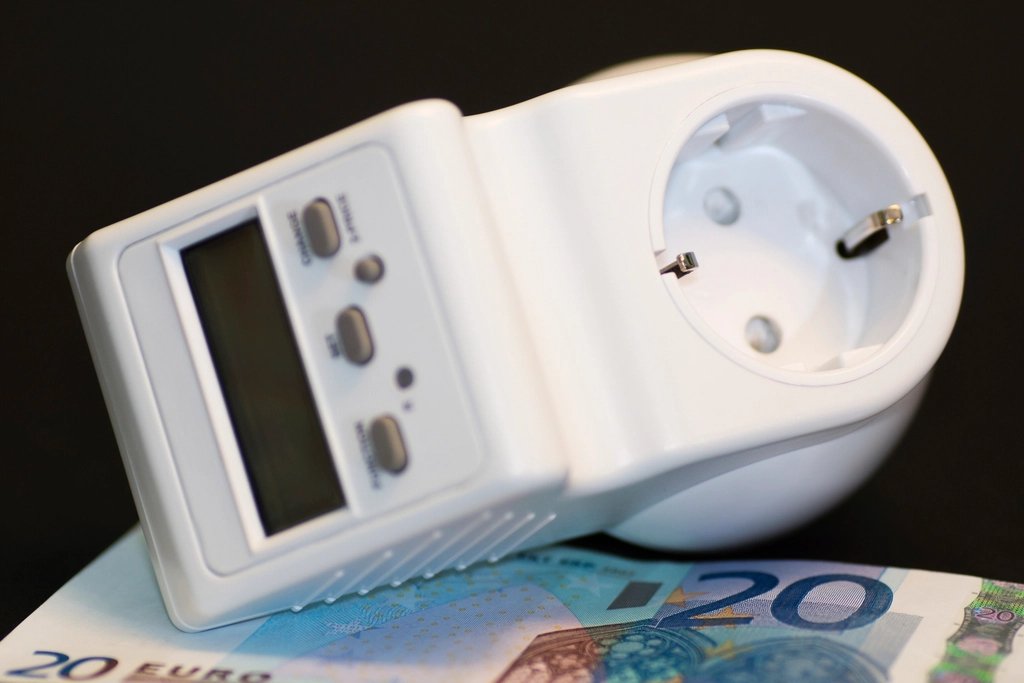
Some appliances use a lot of power without you noticing. Older fridges, freezers, tumble dryers and electric heaters are common culprits. If you’re replacing an appliance anyway, compare energy-efficiency ratings, because a slightly higher purchase price can be recovered through lower running costs over its lifetime. A plug-in energy monitor can show you which devices cost the most to run.
Use Less Water
Water and the energy used to heat it both cost money. Take shorter showers and fit a low-flow shower head if yours is old. Fix dripping taps and running toilets promptly, as small leaks waste a surprising amount over time. Turn off the tap while brushing your teeth, and only boil as much water as you need in the kettle. Outdoors, water gardens in the early morning or evening and collect rainwater where that’s permitted.
Final Tips for Lasting Savings
Review your bills every few months to see what’s working. If you rent, ask your landlord about insulation or efficiency improvements. Look into any official energy-efficiency grants or support schemes in your area, and if you’re struggling to pay, contact your provider early, as many offer payment plans or hardship support.