How to Clean Hardwood Floors
Keep hardwood floors clean and glowing with the right daily routine, a barely damp mop, and a clear list of products and habits to avoid.
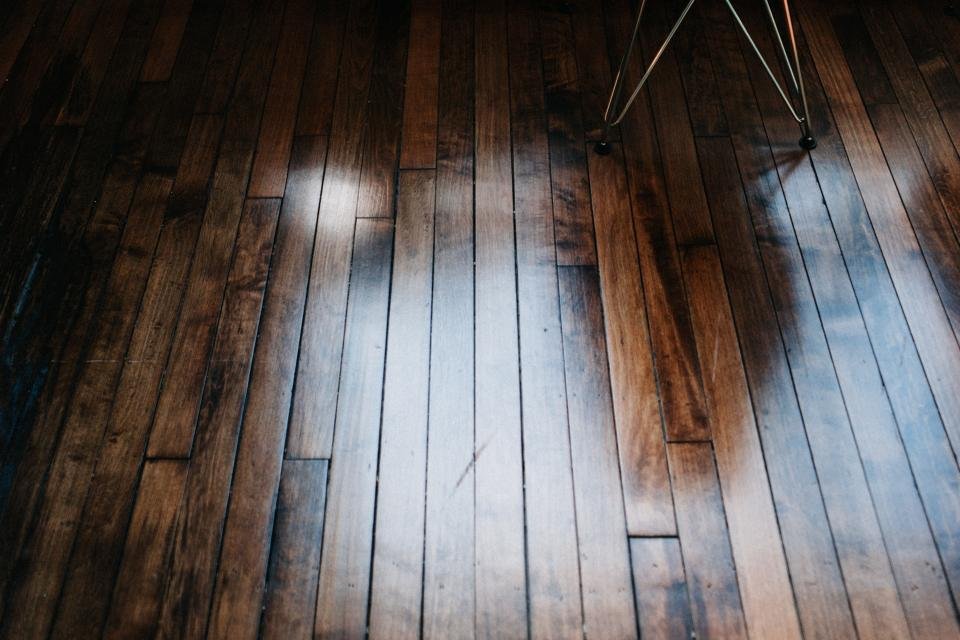
Hardwood floors bring warmth to a room, but grit and excess water are their biggest enemies. The right routine keeps them clean without dulling the finish or damaging the wood underneath, and it takes less effort than you might expect.
Know Your Floor’s Finish
Most modern hardwood has a surface finish, such as polyurethane, that forms a protective layer on top of the wood. Older floors may have a wax or penetrating oil finish that soaks in instead. To check, rub a fingertip across the floor in a low-traffic spot. If it leaves a smudge, the floor is likely waxed. Waxed floors shouldn’t be mopped with water-based cleaners, so follow the manufacturer’s guidance or ask a flooring professional.
Sweep or Vacuum Often
Grit acts like sandpaper underfoot. Sweep with a soft-bristled broom or use a dry microfiber mop every few days, and more often in entryways and kitchens. If you vacuum, use the hard floor setting and turn off the spinning beater bar, which can scratch the finish.
Mop the Right Way
- Choose a cleaner made for sealed hardwood, or mix a few drops of pH-neutral soap into a bucket of warm water.
- Dampen a microfiber mop and wring it out until it’s barely damp. Puddles can seep into the seams between boards and cause swelling.
- Mop in the direction of the wood grain, working in small sections.
- Rinse and wring the mop often so you’re not spreading dirt around.
- Dry any wet spots with a clean towel as you go.
Damp mopping every week or two is usually enough in busy areas, and less often in rooms you rarely use.
What to Avoid
- Steam mops, which force heat and moisture into the wood
- Soaking-wet mops or standing water of any kind
- Vinegar, ammonia, and bleach, which can dull or damage finishes over time
- Oil soaps and furniture polish on polyurethane floors, which can leave a slippery residue and make future refinishing harder
- Abrasive pads and scouring powders
- All-purpose cleaners not labeled for wood, which may leave a dull film
Handle Spills and Scuffs
Wipe spills immediately with a dry or slightly damp cloth. For black scuff marks, rub gently with a clean tennis ball or a soft cloth. For sticky residue, put a little hardwood floor cleaner on a cloth, work it over the spot, and dry the area afterward. If a spill has left a white ring or cloudy patch, it may have reached the finish. Let it dry fully, since some marks fade on their own, and consult a flooring pro if it doesn’t improve.
Protect Your Floors
- Put felt pads under chair and table legs.
- Place doormats at every entrance to catch grit.
- Keep pets’ nails trimmed.
- Use rugs in high-traffic areas, choosing pads or backings labeled safe for hardwood.
- Lift furniture instead of dragging it.
- If the finish looks worn, ask a flooring pro about a screen and recoat, which can refresh it without full refinishing.