How to Clean Grout
Restore dingy grout with a stiff brush, baking soda paste, and the right cleaner for the job, then seal it so it stays cleaner longer.
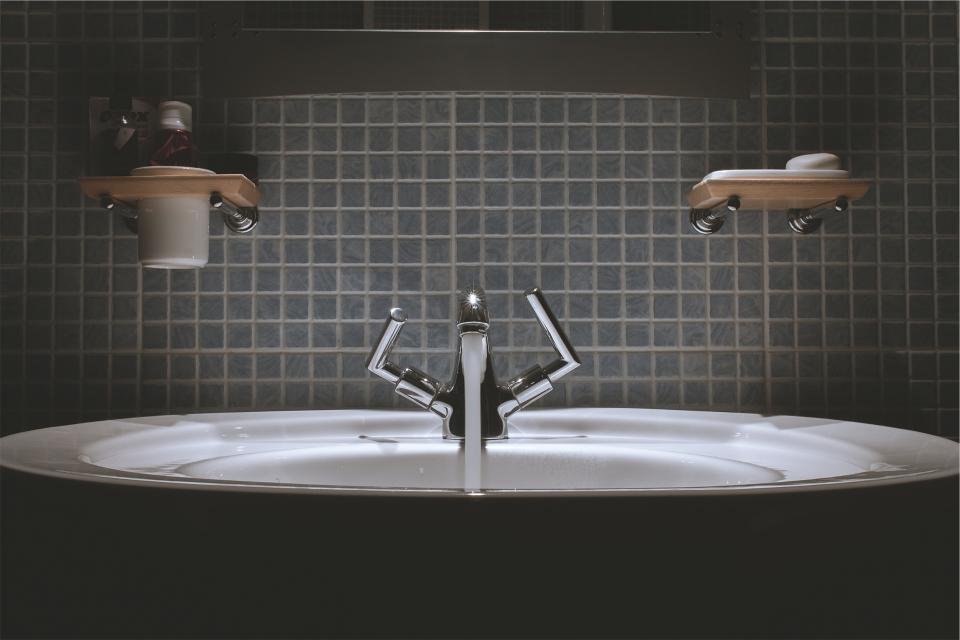
Grout is porous, so it soaks up dirt, soap scum, and spills until bright lines turn dingy and dark. You don’t need harsh chemicals to restore it. A stiff brush and a few household cleaners handle most grime, and a little prevention keeps it from coming back as quickly.
Gather Your Supplies
- A stiff nylon grout brush or an old toothbrush
- Baking soda
- 3% hydrogen peroxide or mild dish soap
- A spray bottle of warm water
- Microfiber cloths or a sponge
- Rubber gloves
Skip wire brushes, which can scratch tile and gouge the grout itself.
Start With the Gentle Method
- Sweep or vacuum floors first to remove loose debris.
- Spray the grout lines with warm water.
- Scrub with your brush using short back-and-forth strokes, working in small sections.
- Rinse with clean water and wipe dry with a cloth.
For light grime, this is often all you need. Making this quick scrub part of your regular cleaning, even once a month, prevents the deep buildup that requires stronger methods later. A small handheld brush makes it easier on your wrists, and kneeling on a folded towel helps on floors.
Use a Baking Soda Paste for Deeper Stains
- Mix baking soda with enough hydrogen peroxide or water to form a spreadable paste. Add a drop of dish soap for greasy kitchen floors.
- Spread the paste along the grout lines with your brush or a gloved finger.
- Let it sit for 5 to 10 minutes.
- Scrub firmly along each line.
- Rinse thoroughly and wipe dry so no residue is left behind.
Hydrogen peroxide can lighten colored grout, so test it in an inconspicuous spot first. For stains that remain, an oxygen bleach powder mixed with warm water according to the package directions can be applied the same way and left a little longer before scrubbing.
Deal With Mold and Mildew Safely
In showers, dark spots in the grout are often mildew. Use a bathroom cleaner labeled for mold and mildew, or an oxygen bleach solution, following the label directions. Ventilate the room well and wear gloves.
If you use a chlorine bleach product, never mix it with ammonia, vinegar, or other cleaners, since the combination can produce toxic gases. Rinse surfaces completely before switching products.
A Note on Vinegar and Natural Stone
Vinegar and other acidic cleaners can wear down grout over time if used often, and they can etch natural stone such as marble, travertine, and limestone. For stone tile, stick to a pH-neutral cleaner made specifically for stone.
Keep Grout Cleaner Longer
- Once grout is clean and completely dry, apply a penetrating grout sealer to make it more stain-resistant. Check the label for how often to reapply.
- Squeegee or wipe shower walls after each use.
- Run the exhaust fan during and after showers.
- Mop floors with clean water and a mild cleaner so dirty water doesn’t settle into the lines.
- If grout is cracked or crumbling, it may be time to regrout rather than keep cleaning.