How to Fix a Squeaky Door Hinge
Silence a creaky door in minutes by cleaning and lubricating the hinge pin, and learn what to do when lubricant alone doesn't solve it.
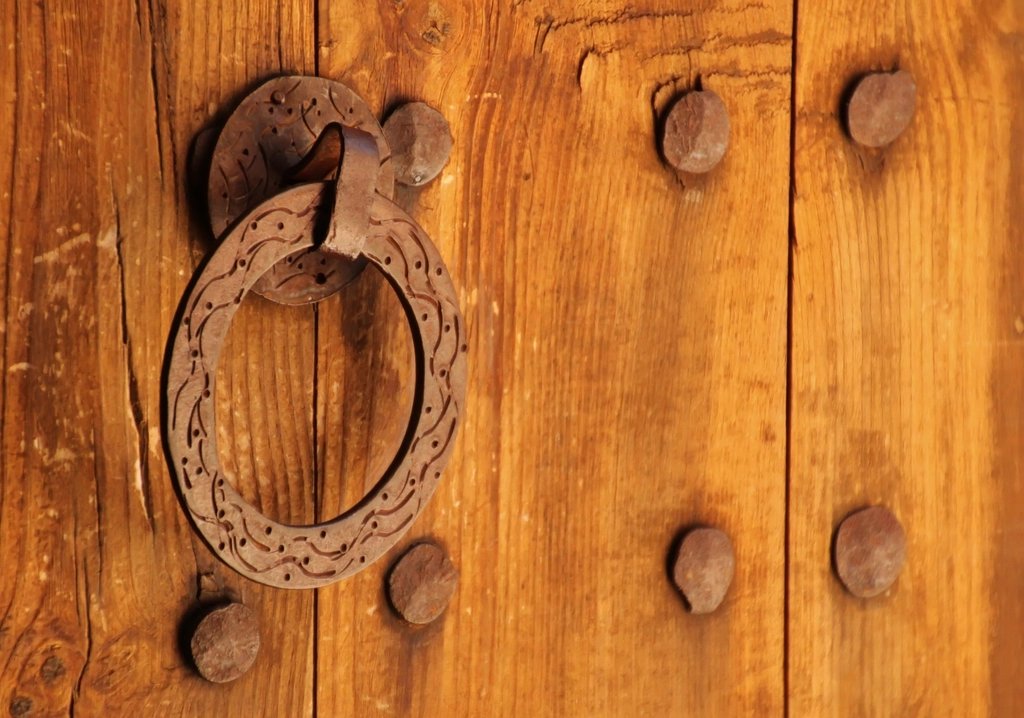
That high-pitched creak every time a door opens is usually just metal rubbing on metal inside the hinge. A little lubricant in the right place generally silences it for months, and you probably already have what you need.
Track Down the Noisy Hinge
Swing the door slowly while listening closely at each hinge. Squeaks often come from just one, and it’s frequently the top hinge, which carries the most weight. Having a helper open and close the door while you listen makes it easier to pinpoint. Also look for loose screws, since a sagging door can rub against the frame and make noise that lubrication alone won’t fix.
Choose a Lubricant
- White lithium grease: thick, long-lasting, and less likely to drip.
- Silicone spray: clean and good for light squeaks.
- Light machine oil: works well but can attract dust if you use too much.
- Petroleum jelly or bar soap: handy in a pinch for an occasional fix.
Penetrating sprays meant to loosen rusted parts can quiet a hinge briefly, but they aren’t designed to be lasting lubricants.
Lubricate the Hinge Pin
- Close the door so its weight is supported.
- Place a nail or thin screwdriver under the pin’s head and tap upward gently with a hammer to raise the pin. Work on one hinge at a time so the door stays supported.
- Pull the pin out and wipe off old grime and rust with a rag. Fine steel wool can clean heavier rust.
- Coat the pin with a thin layer of lubricant.
- Slide the pin back into the hinge and tap it down until it’s fully seated.
- Open and close the door several times to spread the lubricant, then wipe away any excess so it doesn’t stain the door or floor.
If you’d rather not remove the pin, raise it partway and apply lubricant at the top so it runs down into the barrel. Repeat on the other hinges as needed.
When Lubricant Isn’t Enough
If the squeak returns quickly or the door drags, check the screws and tighten any loose ones. If a screw spins without gripping, the hole is stripped. Pack it with wooden toothpicks dipped in wood glue, snap them off flush, let the glue dry, and drive the screw back in. On the frame side, a longer screw that reaches the wall framing also works well.
Badly rusted or bent hinges are inexpensive to replace. Bring an old one to the store so you can match the size and the shape of its corners.
Keep Hinges Quiet
- Add a drop of lubricant to each hinge once or twice a year.
- Lay a rag on the floor before you start to catch drips.
- Wipe hinges when you dust so dirt doesn’t build up in the barrel.
- Check hinge screws whenever a door starts to stick or sag.
- Use the same approach on cabinet doors and gate hinges, applying just a drop of oil at a time.