How to Paint a Room
Get smooth, even walls with this beginner-friendly guide to prepping, cutting in, rolling, and cleaning up when you paint a room.
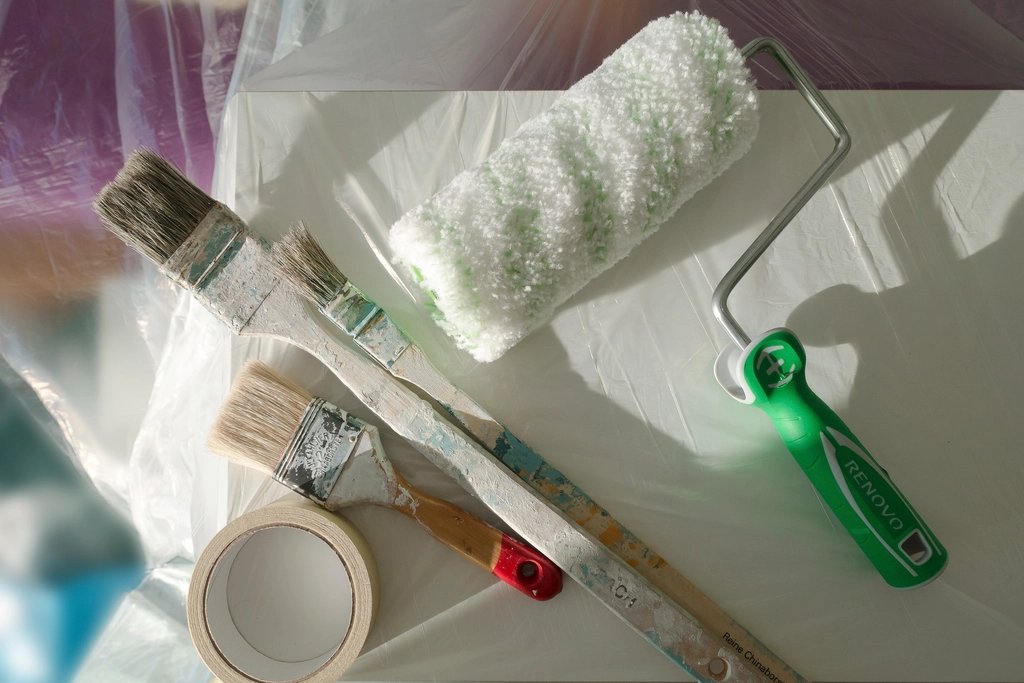
A fresh coat of paint is one of the most affordable ways to change how a room feels. Good results depend less on talent and more on preparation, so give yourself time to prep before you ever open a can.
Gather Your Supplies
- Interior paint, plus primer for new drywall, patches, or stained walls
- An angled 2- to 2.5-inch brush for edges
- Roller frame, roller covers, and a paint tray
- Extension pole
- Drop cloths and painter’s tape
- Spackle, a putty knife, and fine sandpaper
- A mild cleaner and a sponge
To estimate how much paint you need, measure the wall area and check the coverage listed on the can. Plan on two coats for most color changes, and a little extra for touch-ups.
Prepare the Room
- Move furniture to the center of the room and cover it, then lay drop cloths along the walls.
- Turn off power to the room at the breaker, then remove outlet covers and switch plates. Keep the screws in a small bag.
- Fill nail holes and dents with spackle, let it dry, and sand it smooth.
- Wash grimy areas, especially in kitchens and around light switches, and let the walls dry completely.
- Tape off trim, ceilings, and window frames you don’t want to paint, pressing the edge of the tape down firmly.
- Prime patched spots, or the whole wall if you’re covering a dark color or bare drywall.
If you need overhead lights while you work, you can restore power once the plates are off, but keep wet brushes away from the exposed outlets.
Cut In, Then Roll
- Start at the top. Use the angled brush to paint a 2- to 3-inch band along the ceiling line, corners, and trim. This is called cutting in.
- Load the roller evenly in the tray, rolling off the excess so it doesn’t drip or spatter.
- Roll the wall in sections about 3 feet wide, using a loose W or M pattern, then fill in the section without lifting the roller.
- Keep a wet edge by overlapping into paint that’s still wet, which helps prevent visible lap marks.
- Let the first coat dry for the time listed on the can, then apply a second coat the same way.
Clean Up and Finish
Pull the painter’s tape while the final coat is still slightly tacky, peeling it back at an angle for a crisp line. Clean brushes and rollers with warm water for latex paint, or follow the can’s instructions for oil-based paint. Reattach outlet covers once the walls are dry, and give the paint a few days to harden before scrubbing or pushing furniture against it.
Painting Tips
- Keep windows open and run a fan for ventilation.
- Stir paint thoroughly, and mix multiple cans of the same color together for consistent color.
- Wrap brushes and rollers in plastic between coats so they don’t dry out.
- Save a small labeled jar of leftover paint for future touch-ups.
- If your home was built before 1978, test for lead paint before sanding or scraping old surfaces.