How to Manage Money While Traveling Abroad
Handling money in another country can be confusing and costly. Learn how to pay, avoid unnecessary fees and keep your funds safe abroad.
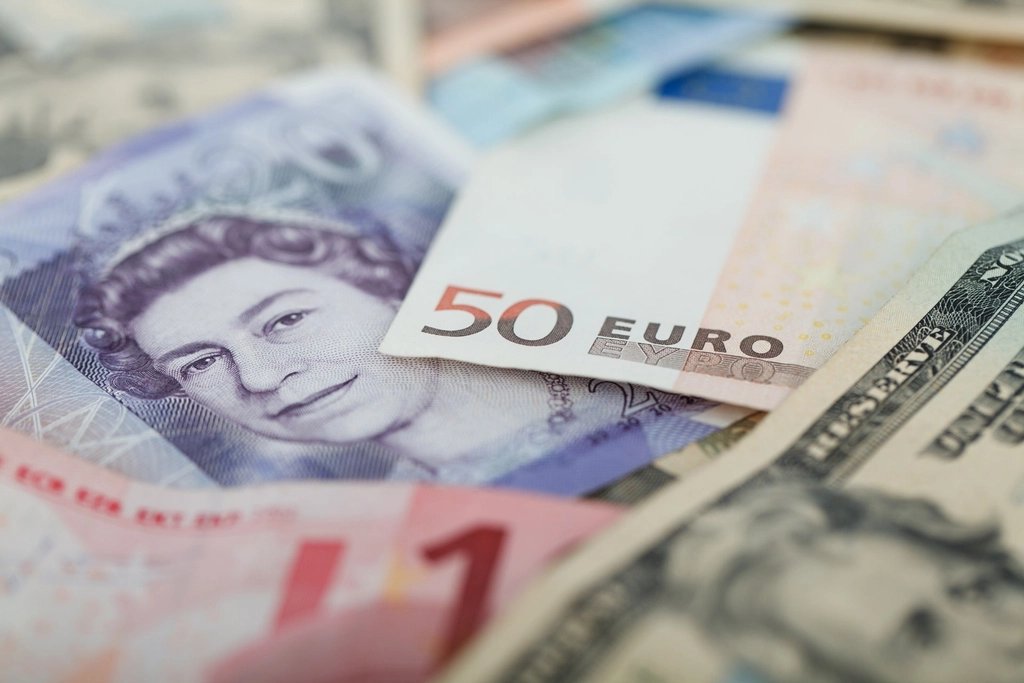
Paying for things in another country raises plenty of questions. Should you use cash or card? Where do you get the best exchange rate? How do you avoid fees eating into your budget? A little preparation helps you spend with confidence and keeps more money in your pocket.
Prepare Before You Leave
- Research how people pay at your destination. Some places are almost entirely cashless, while others rely heavily on cash, especially in markets and rural areas.
- Check your cards’ foreign fees. Many cards charge a percentage on overseas purchases and cash withdrawals. Look for a card with low or no foreign transaction fees.
- Tell your bank you’re travelling if it asks customers to do so, so it doesn’t block your card for unusual activity.
- Bring more than one payment method, such as two cards from different providers plus some cash.
- Get a small amount of local currency before you go if you’ll need it for transport or tips on arrival.
- Check official rules on how much cash you can carry when entering or leaving a country, as limits and declaration requirements vary.
Avoid Common Fees and Poor Rates
Exchange costs are often hidden in the rate rather than shown as a fee. Look up the mid-market exchange rate on a reliable currency app so you have a benchmark to compare against.
- Always pay in local currency. When a card machine or ATM offers to charge you in your home currency, decline. This option, known as dynamic currency conversion, often uses a much worse rate.
- Avoid airport and hotel exchange desks where possible, as they frequently offer weaker rates.
- Withdraw larger amounts less often if your bank charges a flat fee per ATM withdrawal, while balancing this against the risk of carrying lots of cash.
- Watch for ATM operator fees, which some machines add on top of your own bank’s charges.
Keep Your Money Secure
Split cash and cards between different places, such as your wallet, a money belt and a bag left in your accommodation’s safe. Use ATMs inside banks or well-lit, busy places, and cover the keypad when entering your PIN. Contactless payments and phone wallets can reduce the need to handle cash and cards in public.
Save your bank’s international contact number somewhere other than your phone, so you can cancel cards quickly if they’re lost or stolen.
Track Your Spending
It’s easy to lose track when prices are in an unfamiliar currency. Set a daily budget, note what you spend in a simple app or notebook, and learn a quick mental conversion so you know roughly what things cost at home. Check your banking app regularly to spot any unexpected charges early.
Final Money Tips
- Learn local tipping customs so you don’t overpay or cause offence.
- Keep small notes and coins handy for public transport and small purchases.
- Spend or exchange leftover coins before leaving, as they’re often hard to change back.