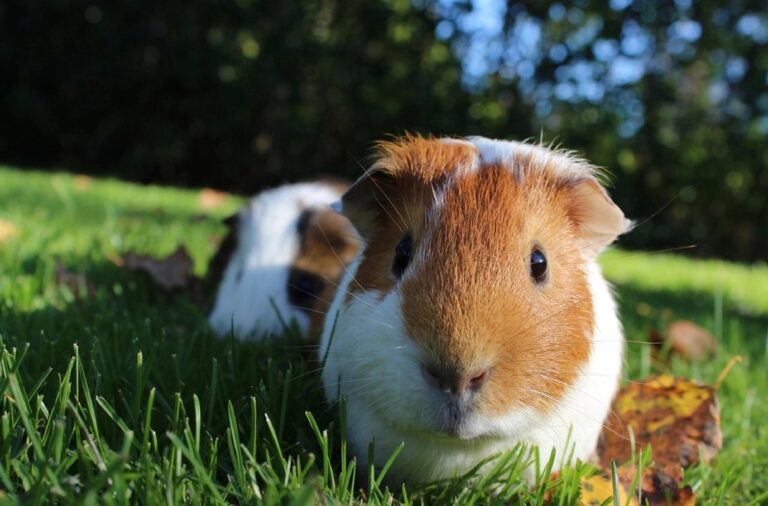
How to Set Up a Hamster Cage
Give your hamster a comfortable, enriching home. Learn how to choose a cage, add deep bedding, place essentials and keep it clean.

A good setup makes a huge difference to a hamster’s health and happiness. Hamsters are active, curious animals that love to burrow, run and explore, so their home needs to offer much more than a small box with a wheel. Here’s how to create an enclosure your hamster will thrive in.
Choose a Spacious Enclosure
Bigger is better when it comes to hamster housing. Many small cages sold for hamsters are too cramped, which can lead to stress and repetitive behaviors like bar chewing. Many animal welfare organizations recommend a much larger floor space than standard pet-store cages provide, so look for the largest enclosure you can fit and afford.
- Bin cages, tanks or large wire cages: all can work, as long as there’s plenty of floor space and good ventilation.
- Bar spacing: narrow enough that your hamster can’t squeeze through or get stuck, especially for dwarf species.
- Solid floor: avoid wire floors, which can injure tiny feet.
- Deep base: needed to hold plenty of bedding for burrowing.
Add Deep Bedding
Hamsters are natural burrowers, and deep bedding lets them dig tunnels and nests. Aim for several inches at least, and deeper in one area if you can. Use a safe, unscented, dust-free paper-based bedding or aspen shavings. Avoid cedar and pine shavings, which can irritate the respiratory system, and fluffy cotton-style bedding, which can tangle around limbs.
Place the Essentials
- Wheel: choose a solid-surface wheel large enough that your hamster runs with a straight back, not arched.
- Hides: provide at least one or two hideouts where your hamster can sleep and feel safe.
- Water: offer fresh water in a bottle, a shallow heavy bowl, or both, and check it every day.
- Food: use a good-quality hamster food. Scattering some of it encourages natural foraging.
- Chews and enrichment: add safe wooden chews, cardboard tubes, tunnels and a sand bath for grooming.
Pick the Right Spot
Place the cage in a quiet room away from direct sunlight, drafts, radiators and loud electronics. Hamsters are mostly active in the evening and at night, so avoid busy areas where they’ll be disturbed during the day. Keep the cage out of reach of other pets like cats and dogs. A stable room temperature is important, since hamsters don’t cope well with extreme heat or cold. Ideally, the cage should sit on a sturdy table or stand rather than the floor, so your hamster isn’t startled by footsteps and drafts.
Keep It Clean Without Stress
- Spot-clean soiled bedding and remove old fresh food daily.
- Wash food and water containers regularly.
- Do a deeper clean every week or two, depending on the size of the enclosure.
- Avoid fully replacing all the bedding too often; keeping some clean, old bedding helps your hamster feel at home.
- Never house two hamsters together unless an expert confirms the species and pairing are suitable; Syrian hamsters must live alone.
If you notice changes in appetite, weight, droppings or activity, contact a vet experienced with small animals.