How to Start Meditating as a Beginner
Meditation doesn't require special skills. Learn a simple breath-focused practice, how to handle a wandering mind, and how to build a daily habit.
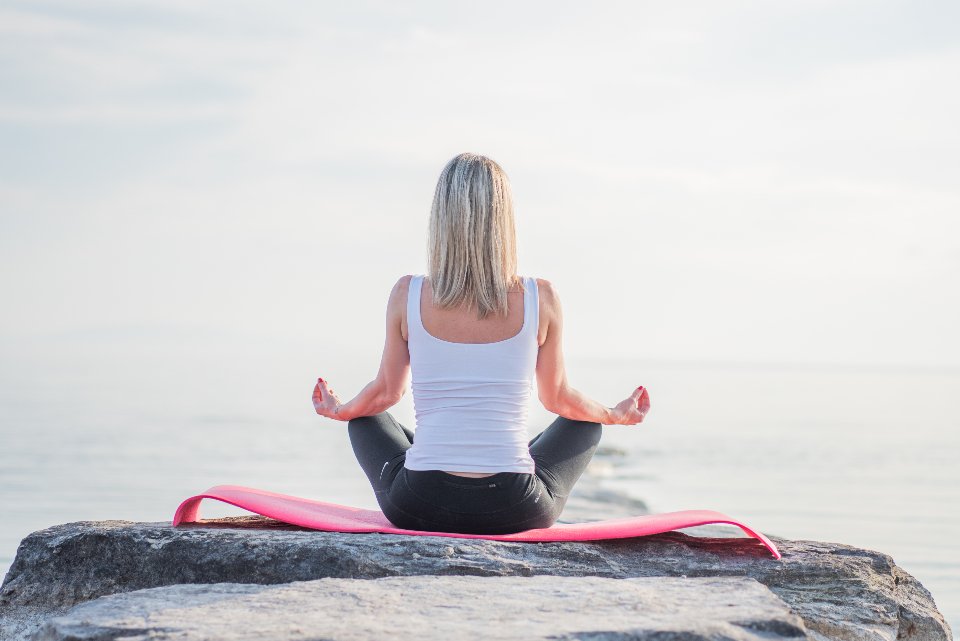
Meditation can sound intimidating, as if you need to empty your mind or sit cross-legged for an hour. In reality, it’s a simple practice of paying attention on purpose, and a few minutes a day is a perfectly good place to start. Many people find it helps them feel calmer and more focused.
Pick a Time and a Spot
Choose a quiet place where you’re unlikely to be interrupted. It doesn’t have to be special; the edge of your bed, a kitchen chair or a corner of the living room all work. Many beginners find it easiest to meditate first thing in the morning or just before bed, but any time you can repeat daily is a good time.
Sit in a position that’s comfortable and upright. You can sit on a chair with your feet flat on the floor, or on a cushion on the floor. Rest your hands on your thighs or in your lap.
Try a Simple Breathing Meditation
- Set a timer for five minutes so you don’t need to check the clock.
- Close your eyes, or lower your gaze to a spot on the floor in front of you.
- Take a couple of slow, deeper breaths, then let your breathing return to its natural rhythm.
- Notice the sensation of breathing: the air at your nostrils, or your chest or belly rising and falling.
- When your mind wanders, which it will, gently notice where it went and bring your attention back to your breath.
- When the timer sounds, take a moment before opening your eyes and getting up.
Handle a Busy Mind
The most common beginner worry is “I can’t stop thinking.” That’s not a failure; it’s the practice. Every time you notice your attention has drifted and bring it back, you’re strengthening the skill meditation builds. You might wander off dozens of times in five minutes, and that’s fine.
Some people find it helpful to silently label thoughts, for example “planning” or “worrying,” before returning to the breath. Others count breaths from one to ten and start again. Experiment and see what helps you settle.
Build a Daily Habit
- Start small: five minutes a day is better than thirty minutes once a week.
- Link it to a routine: meditate right after brushing your teeth or making your morning coffee.
- Use guidance: free guided recordings and apps can help when you’re starting out.
- Increase gradually: add a minute or two once your current length feels manageable.
A Few Final Pointers
Be patient with yourself; some sessions will feel calm and others restless. Avoid judging each one as good or bad. If you’re dealing with anxiety, depression or past trauma and find that meditation brings up difficult feelings, it’s worth speaking to a doctor or mental health professional, who can suggest an approach that suits you. Meditation can support wellbeing, but it isn’t a replacement for professional care.