How to Make Fluffy Scrambled Eggs
Make soft, fluffy scrambled eggs with gentle heat, steady stirring and good timing so they never turn dry or rubbery.
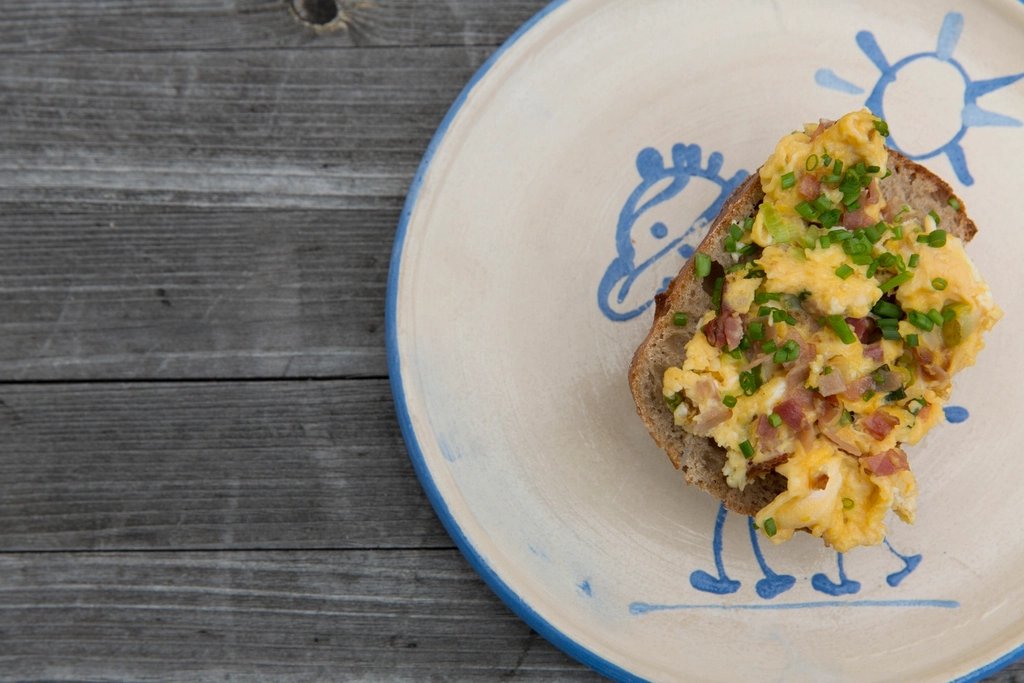
Scrambled eggs are one of the first things most people learn to cook, yet they are easy to get wrong. Too much heat leaves them dry, tough and squeaky. With a little patience and lower heat, you can make big, soft, creamy curds that taste like they came from a good brunch spot.
Gather Your Ingredients
- 2 to 3 eggs per person
- About 1 tablespoon of milk, cream or water per two eggs (optional)
- A pat of butter or a little oil
- Salt and pepper
- A nonstick or well-seasoned skillet and a silicone spatula
Whisk Well
Crack the eggs into a bowl and whisk them with a fork or whisk until the yolks and whites are completely blended and a little frothy, about 30 seconds. Streaks of white will show up as rubbery patches later, so be thorough. Whisk in the milk or cream if you are using it, plus a pinch of salt. Salting just before cooking helps keep the eggs tender. If you prefer extra-rich eggs, swap the milk for a spoonful of cream or stir in a small knob of cold butter at the end instead.
Cook Low and Slow
- Set the skillet over medium-low heat and melt the butter until it foams but does not brown.
- Pour in the eggs and let them sit undisturbed for about 20 seconds, until the edges just begin to set.
- Using the spatula, gently push the eggs from the edges toward the center, forming large, soft folds.
- Keep slowly pushing and folding every few seconds, tilting the pan so uncooked egg flows onto the hot surface.
- When the eggs are mostly set but still look slightly glossy and wet, take the pan off the heat.
The eggs keep cooking from their own heat for a moment after you remove them, so stopping early is the secret to a soft texture. If the eggs are setting too fast, lift the pan off the burner for a few seconds to cool it down.
Cooking Them Safely
Cook scrambled eggs until there is no visible liquid egg left, even if you prefer them soft. They should look moist and creamy, not runny. Serve them right away, and don’t let cooked eggs sit at room temperature for more than two hours. Leftovers can be refrigerated and eaten within three to four days, though scrambled eggs are best fresh.
Easy Add-Ins
Stir in extras during the last 30 seconds so they warm through without overcooking the eggs:
- Shredded cheddar, crumbled goat cheese or grated Parmesan
- Chopped chives, dill or parsley
- Sautéed spinach, mushrooms or onions, cooked separately first
- Diced ham or cooked crumbled sausage
Tips for Better Eggs
- Warm your plate before serving so the eggs stay hot longer.
- For a large batch, use a wider pan rather than piling eggs deep.
- Season with pepper and flaky salt at the table for a little crunch.
- Wash the bowl and whisk promptly, since dried raw egg is much harder to scrub off later.