How to Thaw Frozen Meat Safely
Learn the three safe ways to defrost meat, how long each takes and why the kitchen counter is never the right choice.
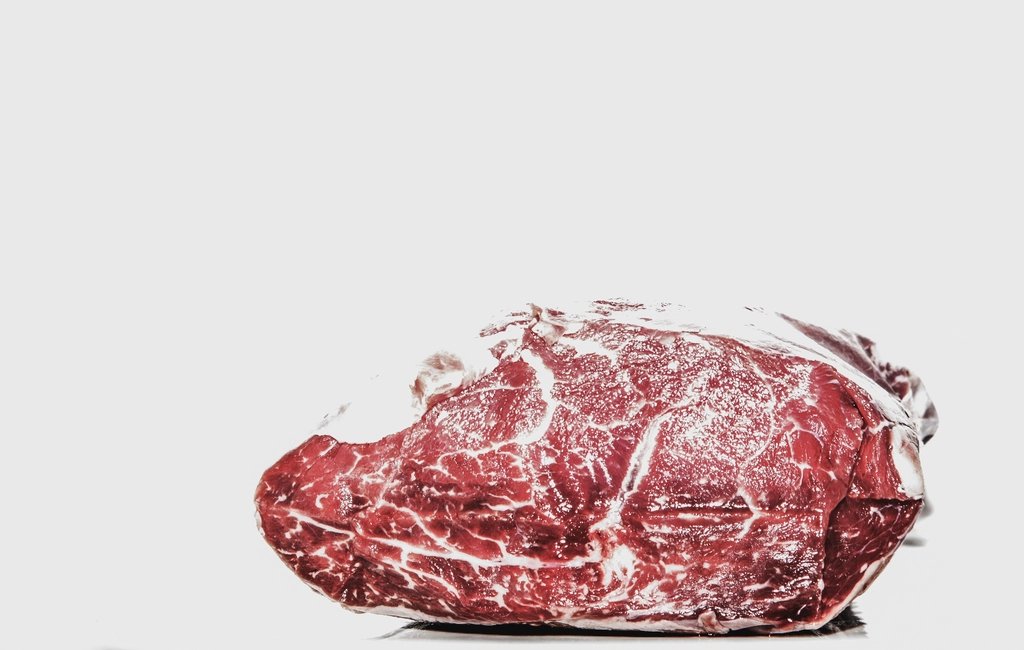
Forgetting to take dinner out of the freezer happens to everyone. The tempting fix, leaving meat on the counter all afternoon, is also the riskiest one. Bacteria multiply quickly when food sits between 40°F and 140°F, and the outside of a thawing roast can warm into that range long before the center softens. Use one of these three safe methods instead.
Method 1: In the Refrigerator
This is the safest and easiest method, though it takes planning. Meat thaws slowly and stays cold the entire time.
- Put the frozen meat on a plate, tray or in a container to catch drips.
- Place it on the bottom shelf so juices can’t leak onto ready-to-eat foods.
- Allow about 24 hours for every 4 to 5 pounds. Small cuts like chicken breasts or a pound of ground beef usually thaw overnight, while a large frozen turkey can take several days.
Meat thawed in the fridge can stay there a day or two before cooking: ground meat and poultry for one to two days, and roasts, chops and steaks for three to five days. You can also refreeze it without cooking if your plans change, although the texture may suffer slightly.
Method 2: Cold Water Bath
When you need meat in a few hours, cold water works much faster than the fridge.
- Make sure the meat is in a leak-proof sealed bag. If not, transfer it to one and press out the air.
- Submerge the bag completely in a bowl or sink of cold tap water.
- Change the water every 30 minutes so it stays cold.
- Expect about 30 minutes per pound. A pound of shrimp or thin steaks may be ready in under an hour.
Never use hot or warm water, which can warm the outside into the danger zone. Cook meat thawed this way right away, and clean and sanitize the sink afterward.
Method 3: The Microwave
Most microwaves have a defrost setting based on weight. Remove the meat from any foam trays or plastic wrap that isn’t labeled microwave-safe, put it on a microwave-safe plate and follow your microwave’s instructions, turning or separating pieces as they soften. Some edges may begin to cook, so plan to cook the meat immediately after thawing.
Cooking From Frozen
If you are out of time entirely, you can cook many cuts straight from frozen. Expect it to take roughly 50 percent longer than usual. Always verify doneness with a thermometer: 165°F for poultry, 160°F for ground meats and 145°F with a three-minute rest for whole cuts of beef, pork and lamb.
Quick Reminders
- Never thaw meat on the counter, in a garage or in the dishwasher.
- Freeze meat in flat, portion-sized packs so it thaws faster later.
- Label packages with the contents and date before freezing.
- Wash hands and surfaces after handling raw meat juices.
- Keep a fridge thermometer handy and make sure your refrigerator stays at 40°F or below, and your freezer at 0°F.