How to Cut Your Grocery Bill
Food is one of the easiest costs to trim. These practical shopping and kitchen habits help you spend less without eating worse.
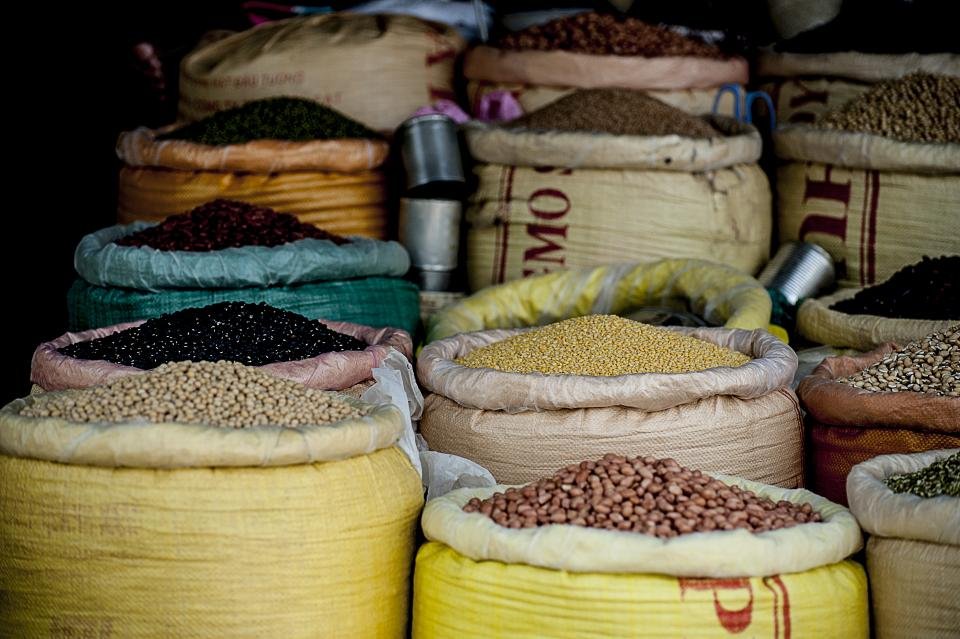
Groceries are a flexible expense, which means they’re one of the best places to find savings. A few changes to how you plan, shop and cook can make a noticeable difference every month. You don’t need to give up good food, just get more value from what you buy.
Plan Before You Shop
Most overspending happens when you walk into a shop without a plan. A little preparation keeps impulse buys and duplicate purchases in check.
- Check your fridge, freezer and cupboards to see what needs using up.
- Plan meals for the week around those ingredients and anything on offer.
- Write a shopping list organised by section of the store.
- Set a spending limit for the trip and keep a rough running total as you shop.
- Eat before you go, since shopping hungry tends to lead to extra snacks.
Shop Smarter in the Store
Retailers design their layouts to encourage spending. Being aware of a few tactics helps you resist them.
- Compare unit prices shown on shelf labels rather than pack prices. Bigger isn’t always cheaper.
- Try store-brand products. Many are similar in quality to name brands at a lower price.
- Look high and low. Pricier items often sit at eye level.
- Buy seasonal produce, which is usually cheaper and fresher.
- Check reduced sections for items near their date that you can use or freeze straight away.
Waste Less at Home
Food you throw away is money in the bin. Store items properly so they last longer, and keep older products at the front of shelves so they get used first. Learn the difference between date labels on packaging where you live, as some indicate quality rather than safety.
Your freezer is a powerful tool. Freeze bread, leftovers, ripe bananas and extra portions of meals. Cook once and eat twice by making larger batches of soups, stews and sauces.
Loyalty schemes, digital coupons and cashback offers can add to your savings, but only if they apply to things you were already planning to buy. A discount on something you don’t need is still money spent. Review offers before you shop and add only the relevant ones to your list.
Make Cheaper Swaps
Small substitutions add up over a year:
- Use beans, lentils or eggs in place of meat for a few meals each week.
- Buy whole vegetables and blocks of cheese instead of pre-cut or pre-grated versions.
- Choose frozen fruit and vegetables, which are often cheaper and keep for months.
- Make lunches and snacks at home rather than buying them ready-made.
- Drink tap water where it’s safe instead of buying bottled water.
Keep the Savings Going
Track your grocery spending for a month to see where the money goes, then set a realistic weekly budget. Try one or two new habits at a time rather than overhauling everything at once, and involve everyone in your household so the plan sticks. Over time, these routines become second nature and the savings take care of themselves.