How to Stop a Dog From Pulling on the Leash
Turn stressful walks into pleasant ones. Learn why dogs pull, which gear helps, and simple training methods that teach your dog to walk nicely.
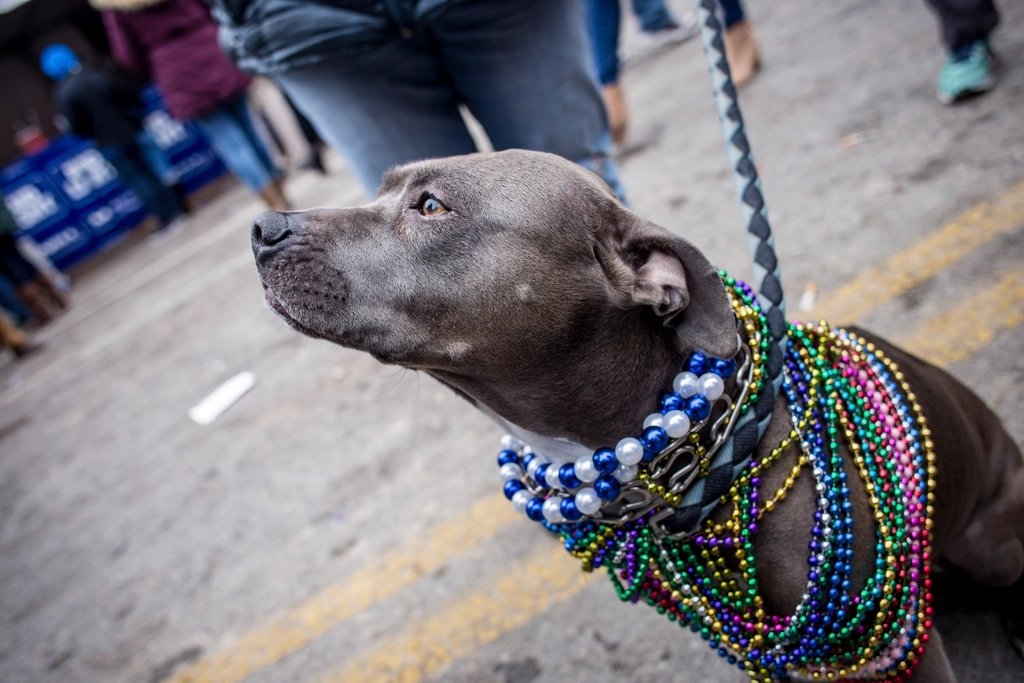
A dog that drags you down the street can make walks tiring for you and uncomfortable for them. Pulling is extremely common, and it usually isn’t a sign of a “bad” dog; dogs simply walk faster than people and have learned that pulling gets them where they want to go. With patience and consistency, you can teach a better habit.
Understand Why Dogs Pull
Dogs pull because it works. Every time they strain forward and get closer to an interesting smell, the pulling is rewarded. Excitement, lots of energy and a lack of practice walking on a loose leash all add to the problem. Training is about making a loose leash more rewarding than a tight one. It’s a learned habit, which means it can be unlearned.
Choose Comfortable, Safe Gear
- Front-clip harness: the leash attaches at the chest, which gently turns your dog toward you when they pull. Many owners find it very helpful.
- Standard leash: a fixed leash of about four to six feet gives you more control than a retractable one, which can actually encourage pulling.
- Treat pouch: keeps rewards handy so you can mark good behavior instantly.
Avoid choke chains, prong collars and other tools that work by causing pain or discomfort. They can damage your dog’s neck and their trust in you. A vet or qualified positive-reinforcement trainer can help you choose suitable equipment.
Teach Loose-Leash Walking
- Start indoors or in your yard, where there are few distractions.
- Hold the leash with a little slack and stand still. When your dog looks at you or the leash loosens, say “yes” and give a treat at your side.
- Take a few steps. Each time your dog is beside you with a loose leash, reward them at your hip.
- If the leash goes tight, stop and stand still like a tree. Wait until the leash slackens, then reward and continue.
- Alternatively, turn calmly and walk the other way, rewarding your dog when they catch up beside you.
Practice in short sessions, and reward generously at first, even every few steps.
Bring It Into Real Walks
Once your dog understands the idea at home, move to quiet streets before trying busier areas. Expect progress to dip when there are exciting distractions like other dogs, squirrels or food on the ground. It helps to burn off some energy first with a game of fetch in the yard.
Let your dog sniff, too. Sniffing is important mental exercise. Use a cue such as “go sniff” to give permission, then ask them to return to a loose-leash walk.
Keep at It
- Be consistent: everyone who walks your dog should follow the same rules.
- Reward the behavior you want rather than punishing pulling.
- Keep training walks short and upbeat to prevent frustration.
- If your dog pulls or lunges because of fear or reactivity, ask your vet or a qualified behaviorist for guidance.