How to Overseed a Thin Lawn
Thicken a patchy lawn without starting over by overseeding at the right time, preparing the soil and keeping new seed consistently moist.
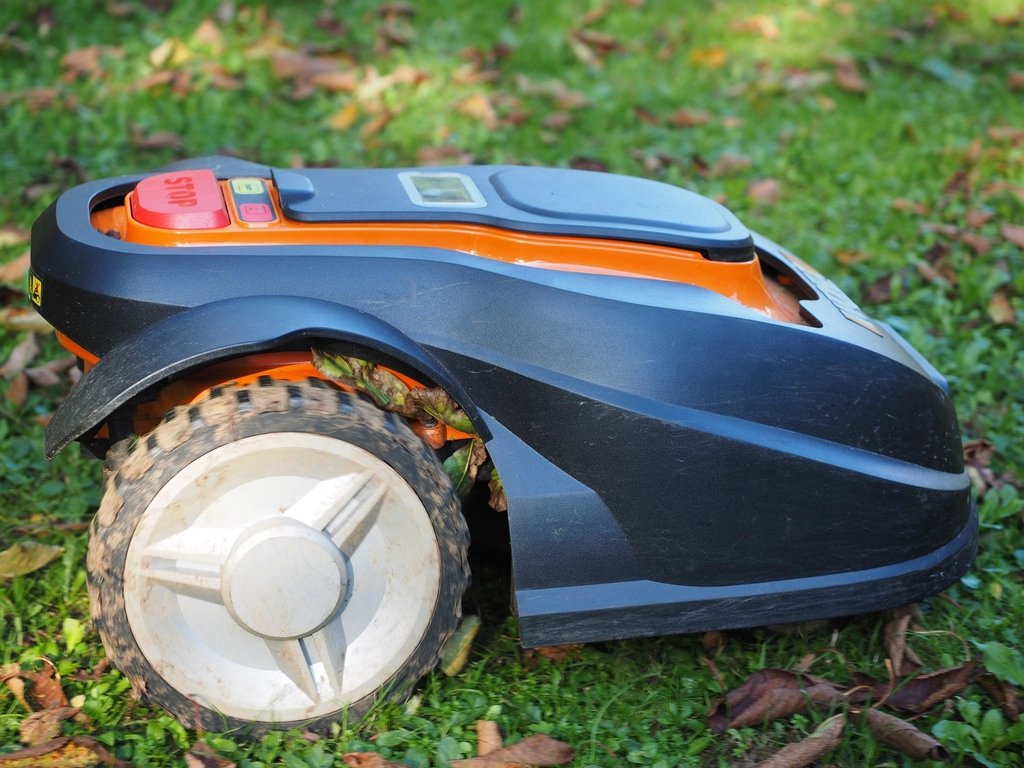
A lawn that looks thin, patchy or tired doesn’t necessarily need to be torn up and replaced. Overseeding, which means spreading new grass seed over existing turf, fills in bare areas and adds younger, healthier grass. Done at the right time with good watering, it can transform a lawn within a single season.
Pick the Right Time
Timing depends on your grass type. Cool-season grasses, such as tall fescue, Kentucky bluegrass and perennial ryegrass, are best overseeded in early fall, when soil is still warm but air temperatures are cooling and weeds are less competitive. Early spring is a second choice. Warm-season grasses like Bermuda and zoysia are typically seeded in late spring to early summer. Your local extension service can confirm the best window for your area.
Choose Your Seed
Buy seed that matches your existing lawn and your conditions. Bags are usually labeled for sun, shade or high traffic. Check the label for a low percentage of weed seed and fill. If your lawn is shady, a blend made for shade will do far better than a full-sun mix.
Prepare the Lawn
- Mow the grass shorter than usual, around 2 inches, and bag the clippings so seed can reach the soil.
- Rake firmly to remove dead grass, thatch and debris and to loosen the soil surface.
- For compacted soil, consider renting a core aerator, which pulls out small plugs of soil and creates pockets for seed.
- Spread a thin layer of compost or topsoil, about 1/4 inch, over bare patches to improve seed contact.
Spread the Seed
Use a broadcast or drop spreader set to the overseeding rate listed on the seed bag. For even coverage, apply half the seed walking in one direction and the other half walking crosswise. Rake lightly afterward so the seed settles into the soil, but don’t bury it deeply. A starter fertilizer can help new grass establish; follow the label exactly.
Wear gloves and wash your hands after handling treated seed or fertilizer. Keep children and pets off the lawn until any fertilizer has been watered in, and store products in their original containers out of reach.
Water and Wait
Consistent moisture is the most important part of overseeding. Seed that dries out after sprouting will die.
- Water lightly once or twice a day to keep the top inch of soil moist until the seed sprouts, usually one to three weeks.
- Once seedlings appear, water less often but more deeply.
- Avoid heavy foot traffic on the seeded area for several weeks.
Aftercare Tips
Hold off mowing until new grass reaches your normal mowing height, then cut with a sharp blade and remove no more than a third of the blade at once. Skip weed killers for now; many products harm new grass, so check labels for how long to wait after seeding. Overseeding every year or two helps keep a lawn thick and naturally crowds out weeds.