How to Water Houseplants Correctly
Most houseplant problems start with watering. Learn to check soil, water deeply, adjust for seasons and spot overwatering early.
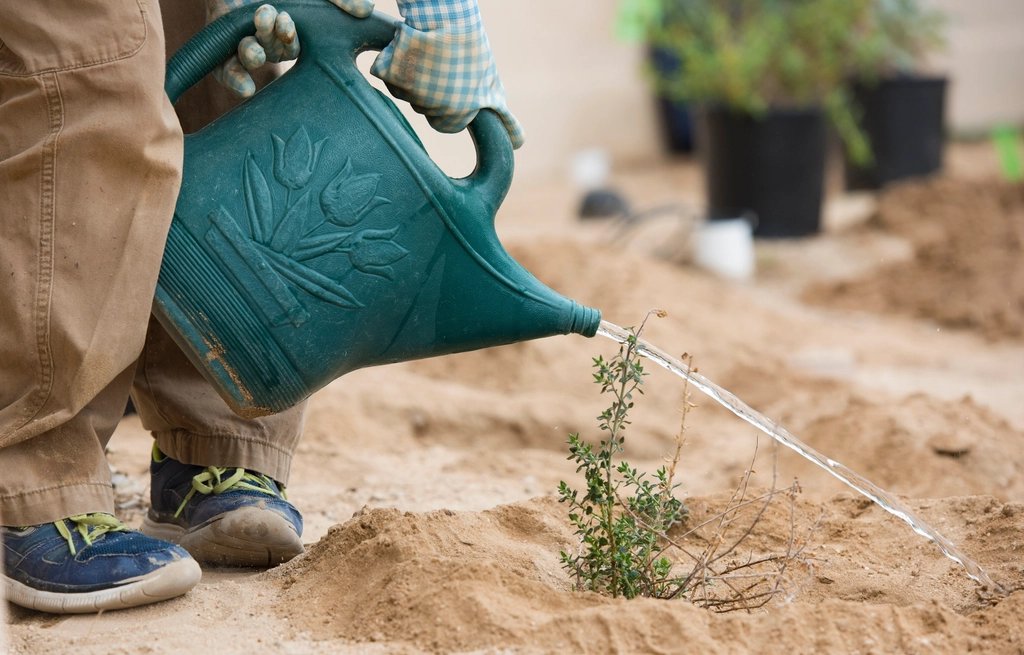
More houseplants die from overwatering than from neglect. Roots need air as well as moisture, and soil that stays soggy suffocates them. The trick is to stop watering on a fixed schedule and start watering based on what each plant actually needs. Once you learn to read the soil, keeping plants healthy gets much easier.
Check Before You Water
Push a finger about an inch or two into the soil. For most tropical houseplants, such as pothos, philodendrons and peace lilies, water when that top layer feels dry. Succulents and cacti prefer to dry out almost completely between waterings, while ferns and calatheas like soil that stays lightly moist.
Other clues help too. Lift the pot: dry soil feels noticeably lighter than wet soil. A wooden chopstick pushed into the soil and pulled out after a minute will come out dark and damp if moisture remains below the surface. Inexpensive moisture meters can help beginners learn, though they are not always precise.
Water Deeply and Thoroughly
- Use room-temperature water, since very cold water can shock some tropical plants.
- Pour slowly and evenly over the entire soil surface, not just one spot.
- Keep going until water flows out of the drainage holes.
- Let the pot drain for 10 to 15 minutes.
- Empty the saucer or cachepot so the plant isn’t left sitting in water.
Small, frequent sips only wet the top layer and encourage shallow roots. A deep soak followed by a drying period is healthier.
Try Bottom Watering
For plants with fuzzy leaves, like African violets, or soil that has shrunk away from the sides of the pot, bottom watering works well. Set the pot in a sink or tray with a couple inches of water for 15 to 30 minutes, until the surface feels damp, then let it drain. Water from the top occasionally too, to flush out mineral and fertilizer buildup.
Adjust for Seasons and Conditions
Plants use more water when they are actively growing in spring and summer and much less in fall and winter, when light is lower. Expect to water less often in cold months. Plants in bright, warm spots, small pots, terracotta pots or near heating vents dry out faster than those in plastic pots or cooler rooms.
Spot the Warning Signs
- Overwatering: yellowing lower leaves, soft or mushy stems, soil that never dries, fungus gnats and a sour smell
- Underwatering: crispy brown leaf edges, wilting that recovers after watering, and soil pulling away from the pot
If you suspect root rot, slide the plant out of its pot. Healthy roots are firm and pale, while rotting roots are dark and mushy and should be trimmed before repotting in fresh mix.
Simple Habits That Help
- Always use pots with drainage holes.
- Group plants with similar needs together so watering is easier.
- If you add plant food to your watering can, store fertilizer where children and pets can’t reach it.
- When in doubt, wait a day; most plants recover from slight dryness faster than from soggy roots.