How to Cook Chicken Breast So It Stays Juicy
Stop serving dry chicken. Even thickness, a quick brine, a hot pan and a thermometer give you tender, juicy breasts every time.
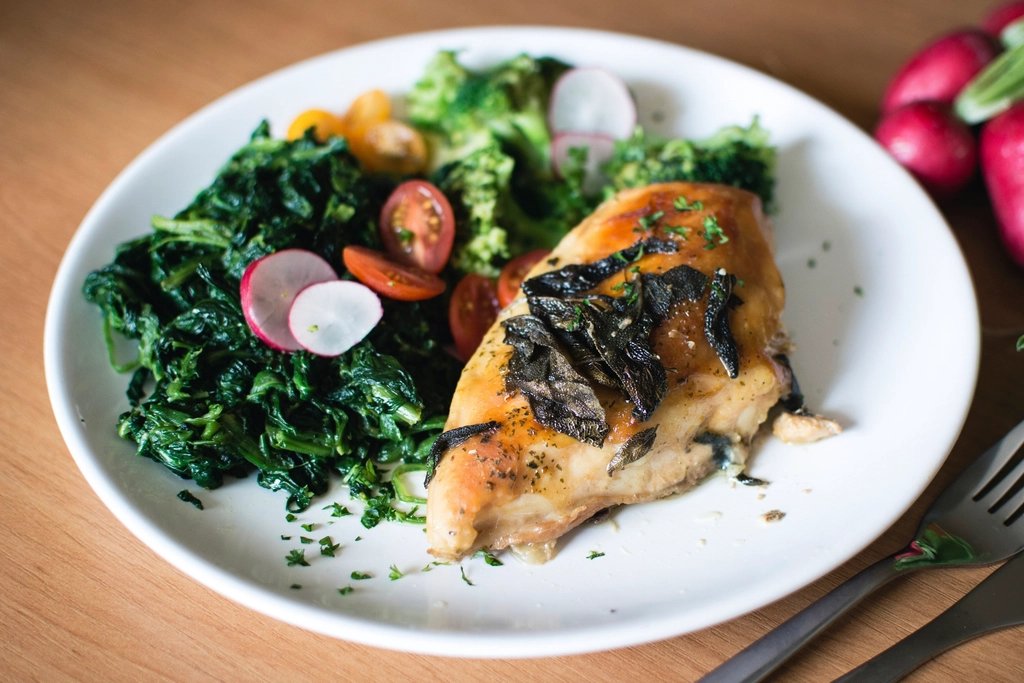
Boneless chicken breast is lean, affordable and versatile, but it has a reputation for turning out dry and stringy. That usually comes down to uneven thickness and overcooking. Fix those two things and you will have tender chicken you can slice over salads, tuck into wraps or serve as the main event.
Even Out the Thickness
A typical chicken breast is thick at one end and thin at the other, so the thin end dries out while the thick end is still raw. To fix that, place the breast between two sheets of plastic wrap or parchment and gently pound the thick end with a meat mallet, rolling pin or heavy pan until the whole piece is roughly 3/4 inch thick. You can also slice very large breasts in half horizontally to make two thinner cutlets.
Raw poultry can carry harmful bacteria, so wash your hands, the cutting board and any tools in hot, soapy water afterward. Don’t rinse raw chicken in the sink; it splashes bacteria around without making the meat safer.
Try a Quick Brine
A short brine helps chicken hold on to moisture. Dissolve about 2 tablespoons of salt in 4 cups of cool water, add the chicken and refrigerate for 30 minutes to 2 hours. If you are short on time, simply salt the chicken on both sides at least 15 minutes before cooking. Pat it completely dry before it goes into the pan.
Pan-Sear Step by Step
- Season the dry chicken with pepper, plus garlic powder, paprika or your favorite spice blend.
- Heat a tablespoon of oil in a large skillet over medium-high heat until it shimmers.
- Lay the breasts in the pan without crowding and leave them alone for 5 to 6 minutes, until deep golden underneath.
- Flip, lower the heat to medium and cook another 4 to 6 minutes.
- Check the thickest part with an instant-read thermometer.
Know When It’s Done
Chicken is safe to eat when the thickest part reaches 165°F (74°C). Color and clear juices are not reliable signs, which is why a thermometer is the single best tool for juicy chicken. It lets you pull the meat the moment it is safe instead of leaving it on “just to be sure.” If the outside is browning too fast before the center is done, cover the pan with a lid for a few minutes or move the chicken to a 400°F oven to finish.
Once it reaches temperature, let the chicken rest on a plate for 5 minutes before slicing so the juices stay in the meat.
Storing and Tips
Refrigerate leftover chicken in a shallow, covered container within two hours of cooking and eat it within three to four days. Cooked chicken also freezes well for two to three months; slice it first for quick weeknight meals.
- Bone-in, skin-on breasts are more forgiving if you have time to roast them.
- Slice across the grain for the most tender texture.
- Make a quick pan sauce by adding broth and a squeeze of lemon to the browned bits left in the skillet.