How to Save for a Down Payment on a House
Saving for a home deposit can feel overwhelming. Break it into a clear target, a dedicated account and steady habits that get you there.
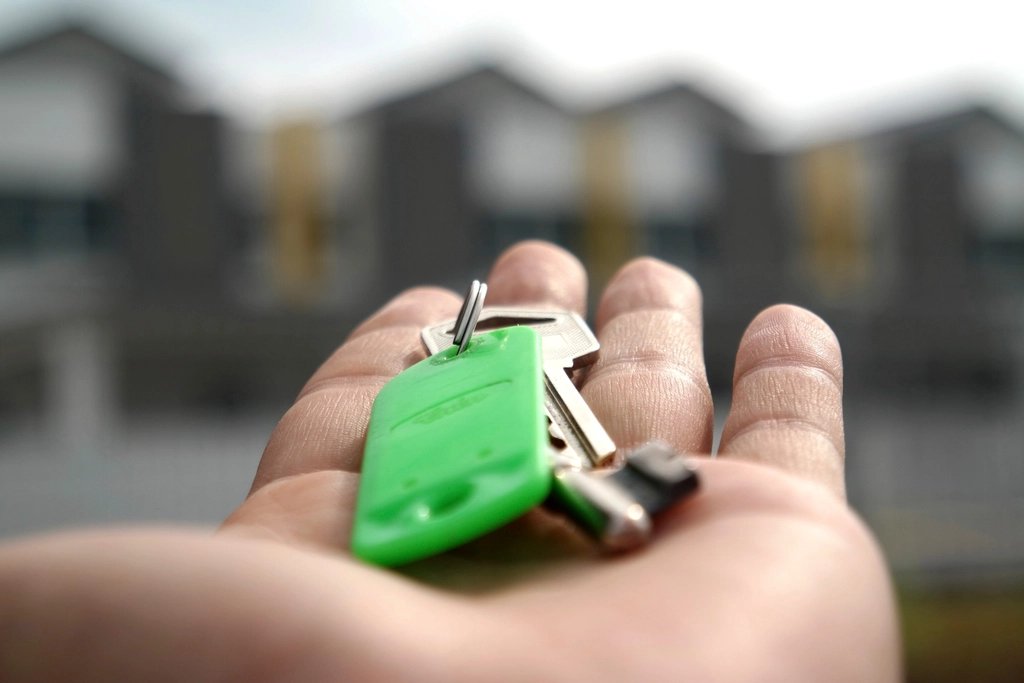
A down payment is often the biggest single sum most people ever save. The good news is that it’s a goal with a clear finish line, which makes it easier to plan for than you might think. These steps will help you turn a vague dream into a concrete savings plan.
Work Out Your Target Number
Start by researching typical home prices in the areas you’d realistically consider. Then find out what deposit lenders usually expect where you live, as requirements differ between countries and loan types. A larger deposit can mean a smaller loan, lower monthly repayments and sometimes better interest rates.
Don’t forget the costs that come on top of the deposit itself:
- Legal, survey or inspection fees
- Any purchase taxes or government charges, which vary by country and region
- Moving costs and basic furniture
- A buffer for repairs in the first few months
Build a Savings Plan You Can Stick To
- Divide your total target by the number of months until you hope to buy. This gives you a monthly savings figure.
- Compare that figure with your current budget. If it doesn’t fit, either extend your timeline or look for ways to free up cash.
- Open a separate savings account used only for the deposit, so the money isn’t mixed with everyday spending.
- Set up an automatic transfer on payday, treating it like a bill that must be paid.
- Track your progress monthly. Seeing the balance grow keeps you motivated.
Choose Where to Keep the Money
If you plan to buy within a few years, safety and access usually matter more than chasing high returns. Interest-bearing savings accounts and fixed-term deposits are common choices because the balance won’t drop if markets fall just before you need it. Some countries offer government-backed schemes or tax-advantaged accounts for first-time buyers, so check official sources for what’s available to you.
If your timeline is longer, you might consider investing part of the money, but understand that its value can fall as well as rise. Whatever you choose, keep the deposit fund separate from your emergency savings so an unexpected bill doesn’t set your home plans back.
Find Ways to Speed It Up
Small changes add up over the months and years it takes to save a deposit:
- Direct pay rises, bonuses and tax refunds straight into your deposit account.
- Review recurring costs such as subscriptions, phone plans and insurance.
- Consider a side income, selling unused items or temporarily cutting housing costs by sharing.
- Keep your credit history healthy so you qualify for better loan terms when the time comes.
Keep Your Eye on the Goal
Saving for a home is a marathon, not a sprint. Revisit your target every six months as prices and your circumstances change, and celebrate milestones along the way. Before committing to a purchase, speak to a qualified mortgage adviser or lender to understand exactly what you can borrow and afford.