How to Spot and Avoid Financial Scams
Scammers are skilled at sounding legitimate. Learn the warning signs of financial fraud, how to protect yourself and what to do if you're targeted.
Financial scams can reach you by phone, text, email, social media or even at your front door. They often look convincing, and anyone can be caught out, regardless of age or experience. Knowing the common tactics makes it much easier to pause, recognise a con and protect your money.
Know the Red Flags
Most scams share a handful of warning signs. Be cautious whenever you notice any of the following:
- Pressure to act quickly, such as threats that your account will be closed or an offer that expires within hours.
- Unexpected contact from someone claiming to be your bank, a government agency, a delivery company or a tech support team.
- Requests for unusual payment methods, like gift cards, cryptocurrency or wire transfers to unfamiliar accounts.
- Promises of guaranteed or unusually high returns with little or no risk.
- Requests for passwords, PINs or one-time codes. Genuine organisations do not ask for these.
- Emotional stories, often from online contacts you’ve never met in person, that end with a request for money.
Common Scams to Watch For
Tactics change constantly, but some types appear again and again. Impersonation scams pretend to be your bank’s fraud team and urge you to move money to a “safe account”. Phishing messages contain links to fake login pages. Investment scams promote schemes or digital assets with promised profits. Romance scams build trust over weeks before asking for help with an emergency. Fake online shops advertise items at too-good-to-be-true prices and never deliver.
Protect Yourself Day to Day
- Never click links or call numbers in unexpected messages. Contact the organisation using details from its official website or the back of your card.
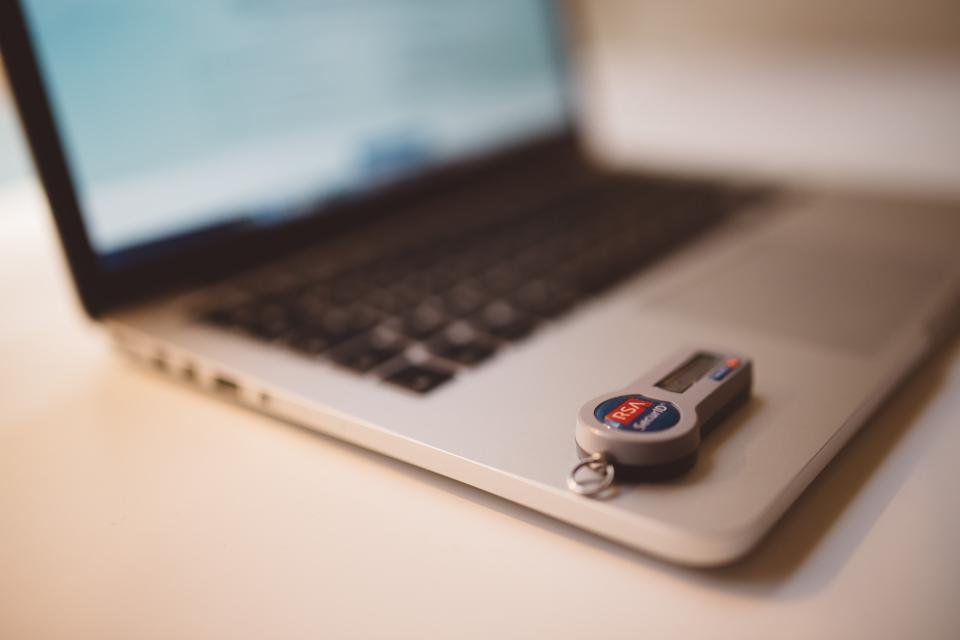
- Use strong, unique passwords and turn on extra login security for your financial accounts.
- Keep your phone, computer and apps updated.
- Check that any investment firm is authorised by your country’s financial regulator before handing over money.
- Limit the personal information you share publicly on social media.
- Review bank and card statements regularly so you spot unfamiliar transactions quickly.
A simple rule helps in almost every situation: if something feels off, stop, hang up and check independently. A genuine organisation will not mind you taking time to verify.
If You Think You’ve Been Scammed
Act quickly, as speed can make a real difference. Contact your bank or card provider immediately using a trusted number and explain what happened. Change passwords for any affected accounts and enable additional security. Report the scam to your national fraud reporting service or the police, as procedures vary by country. Keep records of messages, transactions and phone numbers involved.
Stay One Step Ahead
Talk openly about scams with family and friends, especially older relatives or anyone less confident online. Scammers rely on embarrassment to keep victims quiet. The more people share their experiences, the harder it becomes for fraudsters to succeed.