How to Teach Your Dog to Sit
Teach your dog to sit using simple reward-based training. Learn the lure method, how to add a cue, phase out treats and practice anywhere.
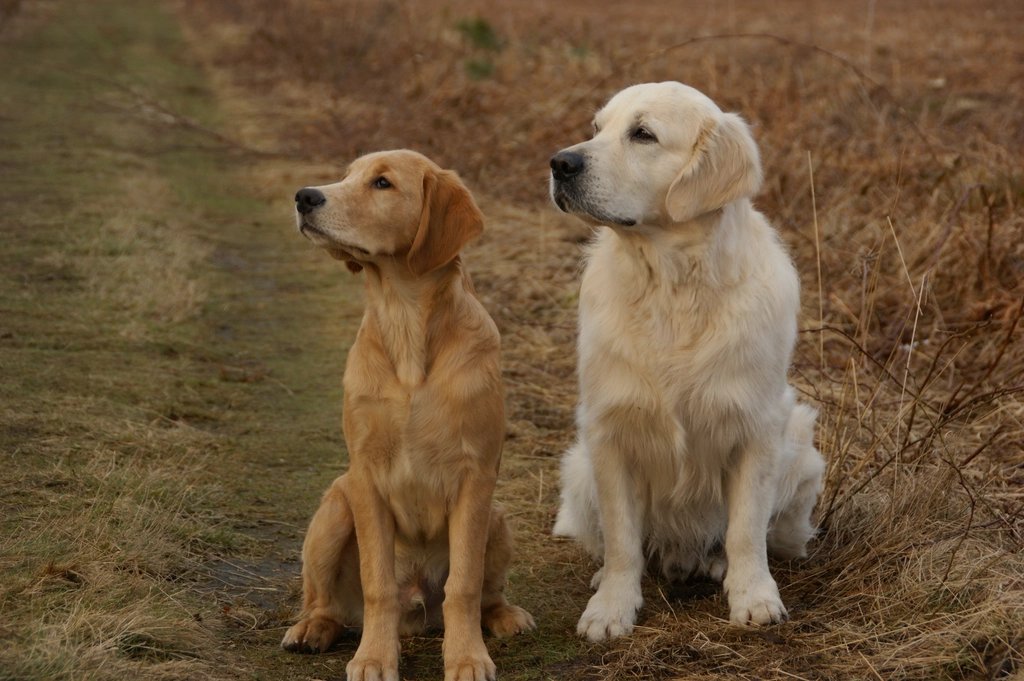
“Sit” is usually the first cue dogs learn, and it’s one of the most useful. A dog who sits on request is easier to greet guests with, safer at the curb and calmer at mealtimes. Whether you have a new puppy or an older rescue, you can teach it in a few short, positive sessions.
Get Ready to Train
Choose a quiet spot with few distractions, such as your kitchen or living room. Have a handful of small, soft treats ready; pieces of your dog’s regular food can work for keen eaters. Train when your dog is alert but not overexcited, and keep sessions to about five minutes so they stay fun.
Only use treats that are safe for dogs. Avoid foods like chocolate, grapes, raisins, onions, garlic and anything containing the sweetener xylitol, which are toxic to dogs.
Use the Lure Method
- Stand or kneel in front of your dog and hold a treat close to their nose so they can smell it.
- Slowly move the treat upward and slightly back over their head.
- As their nose follows the treat, their bottom will naturally lower toward the floor.
- The moment their bottom touches the ground, say “yes” or “good” and give the treat.
- Toss a treat a step away to get them standing again, then repeat several times.
If your dog jumps up, your hand is probably too high; keep it just above their nose. If they back up instead of sitting, practice with their back toward a wall.
Add the Verbal Cue
Once your dog is reliably sitting as soon as your hand moves, start saying “sit” just before you make the hand motion. Say it once, in a clear, friendly voice. Repeating it over and over teaches your dog that the word comes in a set and can be ignored.
Over several sessions, make the hand movement smaller until it becomes a simple hand signal, such as an upward flick of your palm.
Fade the Treats Gradually
When your dog sits consistently on cue, start practicing with an empty hand and reward from your pocket or a treat pouch after they sit. Then begin rewarding every second or third sit, mixing in praise, a game or a scratch behind the ears. Real-life rewards work too: ask for a sit before opening the door for a walk or putting down their food bowl.
Practice Everywhere
- Once your dog has it at home, practice in the yard, on walks and at a friend’s house.
- Expect a temporary step back in new places and make it easier again with more treats.
- Avoid pushing down on your dog’s back or hips, which can be uncomfortable and confusing.
- Keep it positive and end each session on a success.
If your dog seems reluctant to sit or appears uncomfortable doing so, especially an older dog, ask your vet to check for joint pain or other issues before continuing training.