How to Grow Basil Indoors
Keep fresh basil on hand all year by giving it bright light, warm temperatures, well-drained soil and regular pinching.
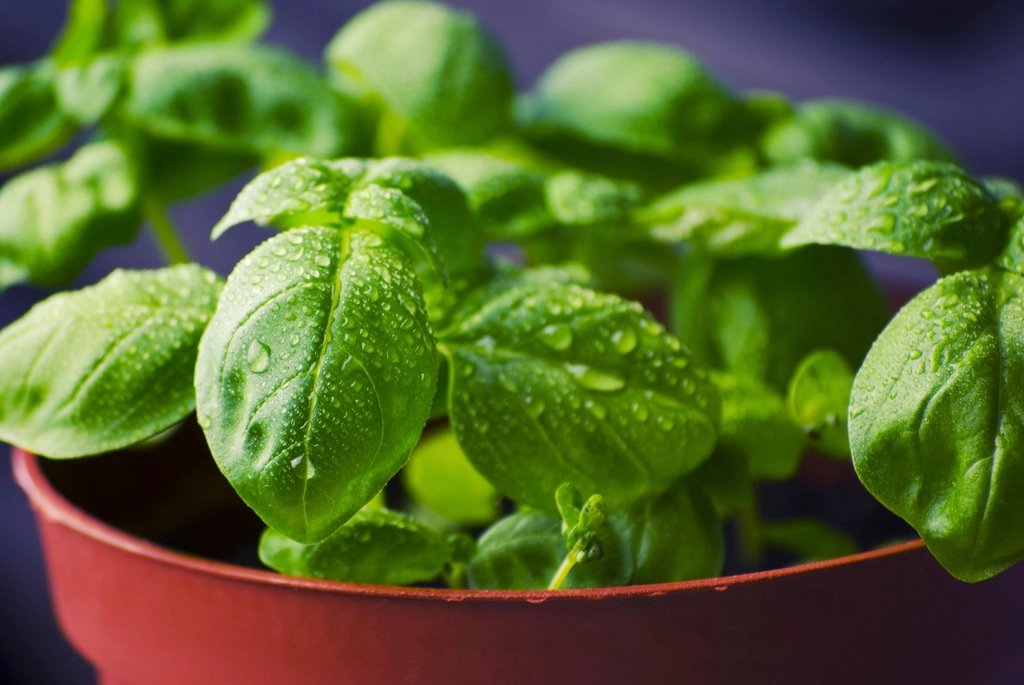
Basil is one of the most rewarding herbs to grow inside. It sprouts quickly, smells wonderful and lets you snip a few leaves for pasta or pizza whenever you want. It is also a little fussy about light and warmth, so giving it the right setup from the start makes all the difference.
Start With Seeds or a Starter Plant
You can sow basil seeds directly in a pot or buy a small plant from a garden center. Seeds sprout in about a week in warm conditions and are inexpensive. Grocery store basil sold in pots is often several seedlings crammed together; gently separating them into two or three pots gives each plant room to thrive.
Pick the Right Pot and Soil
- Use a container at least 6 to 8 inches wide with drainage holes in the bottom.
- Fill it with a quality potting mix, not garden soil, which compacts and drains poorly in pots.
- Set the pot on a saucer to catch excess water, and empty the saucer after watering.
Wear gloves when handling potting mix and avoid breathing in its dust, then wash your hands afterward.
Give It Plenty of Light and Warmth
Basil wants as much light as you can give it, ideally six or more hours of direct sun a day. A south-facing window is usually best in the Northern Hemisphere. If your plant grows tall, pale and floppy, it is stretching for light. In that case, a simple LED grow light placed a few inches above the plant for 12 to 14 hours a day works well, especially in winter.
Keep basil warm, ideally between 65 and 80°F. It is very sensitive to cold, so keep it away from drafty windows and don’t let leaves touch cold glass in winter.
Water and Feed Carefully
- Check the soil with your finger every day or two.
- Water when the top inch feels dry, pouring slowly until water runs out the drainage holes.
- Water at the base of the plant rather than over the leaves.
- Feed every three to four weeks with a balanced liquid fertilizer diluted to half strength.
Soggy soil leads to root rot and yellow leaves, so never let the pot sit in standing water.
Pinch and Harvest Often
Regular harvesting is what turns a spindly basil plant into a bushy one. Once the plant has three or four sets of leaves, snip each stem just above a pair of leaves. Two new stems will grow from that spot. Always leave at least a few leaf pairs on each stem, and never remove more than about a third of the plant at once.
Pinch off flower buds as soon as you see them. Once basil flowers, it puts its energy into seeds and the leaves can become smaller and more bitter.
Troubleshooting Tips
- Yellow lower leaves: usually overwatering; let the soil dry a bit more.
- Drooping in afternoon sun: check the soil; it may need water more often in summer.
- Tiny insects: rinse leaves with a gentle spray of water and wipe the undersides.
- Rotate the pot every few days so the plant grows evenly.