How to Hard Boil Eggs Perfectly
Get tender whites, creamy yolks and shells that slip right off with a simple boil-and-ice-bath method that works every time.
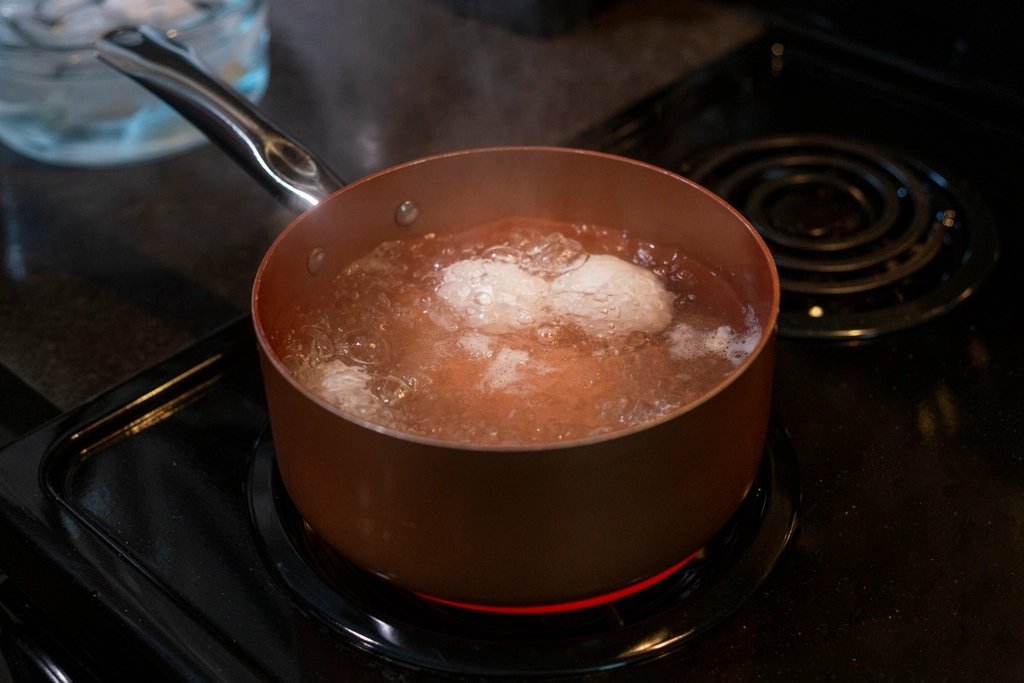
Hard-boiled eggs sound foolproof until you end up with rubbery whites, chalky gray-green yolks or shells that take half the egg with them. The good news is that a few small habits fix all three problems. Here is a reliable method you can use for one egg or a dozen.
What You Need
- Eggs, ideally a week or more old, since very fresh eggs are harder to peel
- A saucepan big enough to hold the eggs in a single layer
- A slotted spoon
- A large bowl of ice water
- A timer
The Boil-and-Rest Method
- Place the eggs in the pan and cover them with cold water by about an inch.
- Set the pan over high heat and bring the water to a full rolling boil.
- As soon as it boils, turn off the heat, cover the pan with a lid and leave it on the warm burner.
- Let the eggs sit in the hot water for 10 to 12 minutes, depending on how firm you like the yolk.
- Lift the eggs out with a slotted spoon and drop them straight into the ice water.
- Leave them in the ice bath for at least 10 minutes, until they are completely cool.
Resting the eggs in hot water instead of boiling them hard cooks them gently, which keeps the whites tender and helps prevent cracking.
Choosing Your Yolk
Timing is everything, so start the clock as soon as you turn off the heat. Large eggs straight from the fridge typically turn out like this:
- 6 to 7 minutes: jammy, slightly soft center, great for ramen or toast
- 9 to 10 minutes: mostly set with a tender, creamy middle
- 11 to 12 minutes: fully firm, ideal for egg salad and deviled eggs
Extra-large eggs may need a minute more, and medium eggs a minute less. That gray-green ring around the yolk is harmless, but it means the eggs were overcooked or cooled too slowly.
Peeling Without the Frustration
Gently tap the egg on the counter all over to crackle the shell, then roll it under your palm. Start peeling from the wider end, where there is a small air pocket. Peeling under a thin stream of running water helps the membrane lift away cleanly. If a batch still sticks, the eggs were probably very fresh; buy them a little ahead next time.
Storing Them Safely
Refrigerate cooked eggs within two hours of cooking. Unpeeled hard-boiled eggs keep for up to a week in the fridge, and storing them in a covered container stops them from absorbing other odors. Peeled eggs are best eaten within a day or two. Don’t leave them out at room temperature for long, especially at picnics or on buffet tables in warm weather.
Quick Tips
- Write the cooking date on the carton or container so you know how long they have been in the fridge.
- Cook a batch on the weekend for fast breakfasts and salad toppings all week.
- If an egg cracks while cooking, it is still fine to eat once fully cooked; just use it first.