How to Mulch a Garden Bed
Mulching saves water, smothers weeds and protects soil. Learn which mulch to choose, how deep to spread it and the mistakes to avoid.
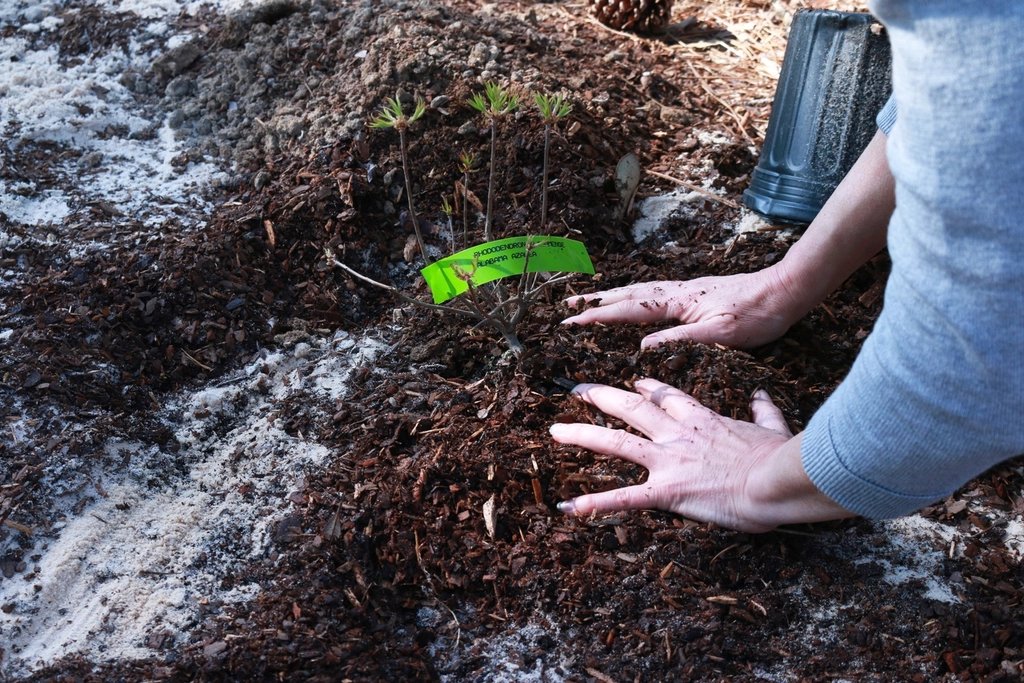
A layer of mulch is one of the simplest ways to make gardening easier. It holds moisture in the soil, blocks many weeds, keeps roots cooler in summer and gives beds a tidy, finished look. Organic mulches also break down over time and improve your soil. Spreading it correctly takes just an afternoon.
Choose a Mulch
Different mulches suit different spots:
- Shredded bark or wood chips: long-lasting and good for shrubs, trees and perennial beds
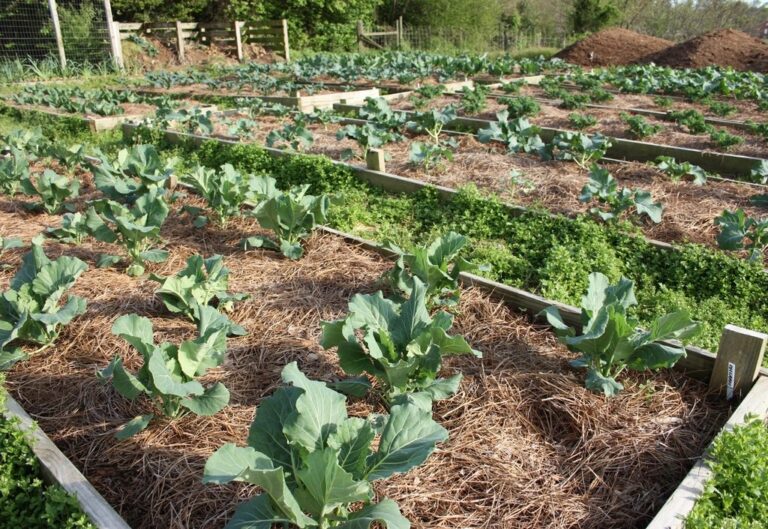
- Straw: lightweight and great for vegetable gardens; choose weed-free straw rather than hay, which often contains seeds
- Shredded leaves: free from your own yard and excellent for improving soil
- Compost: adds nutrients but breaks down quickly, so it is often used under another mulch
- Pine needles: loose and attractive, and they stay put on slopes
Avoid dyed mulches around edible plants if you are unsure what was used to color them. Cocoa hull mulch can be toxic to dogs if eaten, so skip it if you have pets.
Prepare the Bed
- Pull weeds by hand, getting as much of the root as possible. Mulch smothers small weed seedlings but won’t stop established perennial weeds.
- Water the bed well if the soil is dry; mulch holds moisture in but also slows light rain from reaching dry soil.
- Edge the bed with a spade if you want a clean border that keeps mulch from spilling onto the lawn.
- Optionally, lay plain cardboard or several sheets of newspaper over bare areas with heavy weed problems.
Spread It the Right Way
Pour small piles of mulch around the bed, then spread them with a rake or gloved hands. Aim for a layer about 2 to 3 inches deep for bark and wood chips. Lighter materials like straw or shredded leaves can be a little thicker since they settle. Thicker layers can block air and water from reaching roots.
Keep mulch pulled back a few inches from plant stems and tree trunks. Piling it against stems, sometimes called a mulch volcano, holds moisture against the bark and can lead to rot, pests and disease. Picture a flat donut around each tree rather than a cone.
Wear gloves when handling bagged or bulk mulch, since it can contain splinters, and wear a dust mask if it is dry and dusty. Wash your hands when you finish.
When to Mulch
Late spring, once the soil has warmed, is a good time for most beds. Mulching too early can keep soil cold and slow plant growth. In fall, a fresh layer helps protect perennial roots from freeze-thaw cycles in colder climates.
Keep It Up
Check mulch once or twice a year and top it up as it breaks down, rather than piling new layers on top of thick old ones. Rake old mulch occasionally to break up matted layers so water can soak through. In vegetable beds, work decomposed mulch into the soil at the end of the season.