How to Improve Your Sleep
Better sleep starts with simple daily habits. Learn how to set a schedule, create a restful bedroom, and wind down for deeper rest.
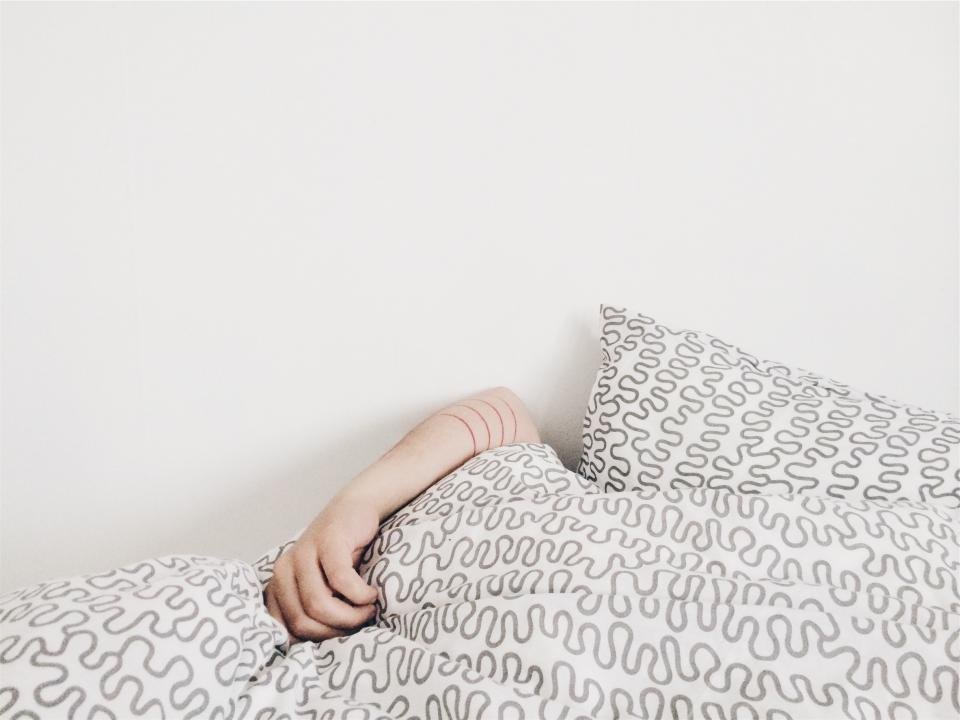
Good sleep affects how you feel, think, and handle stress the next day. If you often toss and turn or wake up tired, small changes to your habits and environment can make a real difference. Here’s how to set yourself up for more restful nights.
Keep a Consistent Schedule
Your body runs on an internal clock, and it works best with regular timing. Going to bed and waking up at roughly the same time every day, including weekends, helps you fall asleep more easily and wake up feeling more refreshed.
- Choose a wake-up time you can stick to every day.
- Count back to give yourself enough time in bed. Most adults need around seven to nine hours of sleep.
- Set a bedtime reminder about 30 minutes before lights out.
- Get out of bed at your wake-up time, even after a rough night.
- Step into daylight soon after waking to help reset your internal clock.
Create a Restful Bedroom
Your bedroom should signal that it’s time to sleep. Aim for a space that is:
- Dark: Use blackout curtains or an eye mask.
- Quiet: Try earplugs or a fan or white noise machine to mask sounds.
- Cool: A slightly cool room is more comfortable for most people.
- Comfortable: Make sure your mattress and pillows support you well.
Try to keep work, screens, and stressful activities out of bed so your brain links it with rest.
Build a Wind-Down Routine
Give yourself 30 to 60 minutes to relax before bed. Dim the lights and put away phones, tablets, and laptops, since bright screens and engaging content can keep your mind alert. Instead, try:
- Reading a paper book.
- Taking a warm shower or bath.
- Gentle stretching or slow, deep breathing.
- Writing down tomorrow’s to-do list to clear your head.
Watch Your Daytime Habits
What you do during the day shapes how you sleep at night. Regular physical activity can help you sleep better, though intense workouts right before bed may leave you wired. Limit caffeine in the afternoon and evening, and avoid heavy meals close to bedtime. Alcohol might make you drowsy, but it often disrupts sleep later in the night.
If you nap, keep it short and earlier in the afternoon so it doesn’t interfere with nighttime sleep.
When to Talk to a Doctor
If you regularly have trouble falling or staying asleep, snore loudly, gasp or stop breathing during sleep, or feel very sleepy during the day despite enough time in bed, talk with your doctor. These can be signs of a sleep disorder that may need treatment.
Quick Tips for Better Nights
- If you can’t sleep after about 20 minutes, get up and do something calm until you feel sleepy.
- Keep your clock out of view to avoid watching the time.
- Be patient, since new habits can take a few weeks to help.
Small, steady changes add up, and better sleep is well worth the effort.