How to Cook Pasta Al Dente
Cook pasta with a tender bite every time by using plenty of salted water, testing early and finishing it in the sauce.
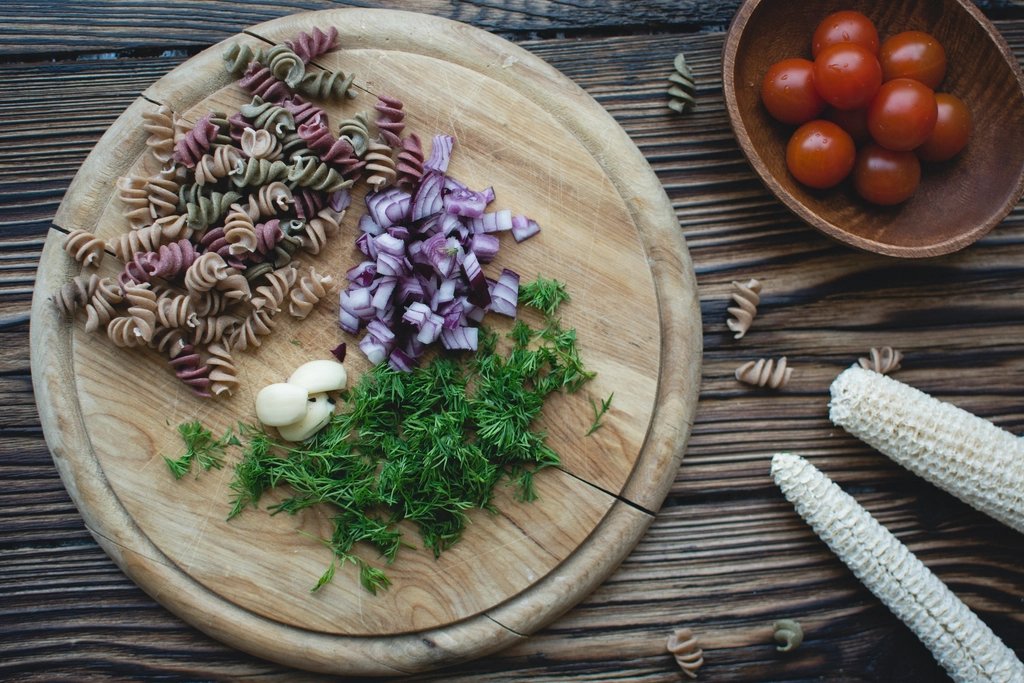
Al dente means “to the tooth” in Italian, and it describes pasta that is tender but still has a slight bite in the center. It holds sauce better than soft, overcooked noodles and has a much more satisfying texture. Getting there is mostly about paying attention in the last few minutes.
Start With Plenty of Water
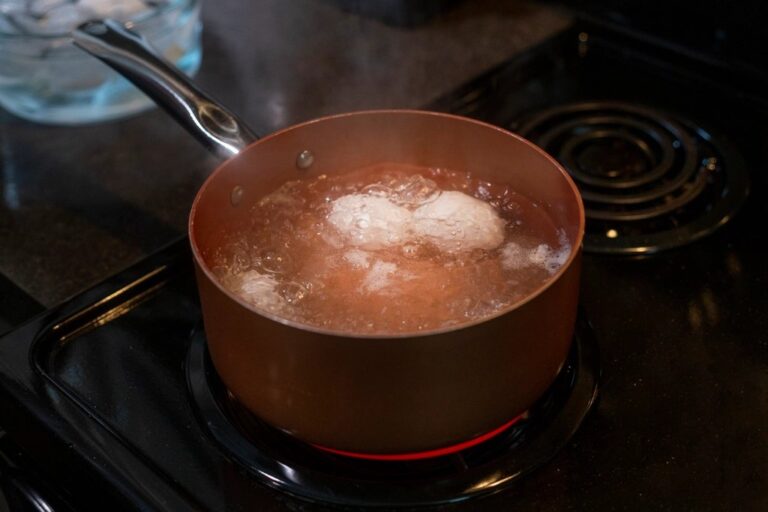
Use a large pot and about 4 to 6 quarts of water per pound of pasta. Plenty of water returns to a boil faster after you add the pasta and gives the noodles room to move, which helps prevent sticking. Cover the pot to bring it to a boil more quickly.
Once the water is at a rolling boil, add salt, roughly 1 to 2 tablespoons per pound of pasta. The water should taste pleasantly seasoned. This is your only chance to season the pasta itself. Skip adding oil to the water; it mostly floats on top and can make sauce slide off the noodles.
Cook and Test
- Add the pasta to the boiling water and stir right away to separate the pieces.
- Keep the heat high so the water returns to a boil quickly, then adjust it so the pot boils steadily without foaming over.
- Stir every couple of minutes, especially early on, when pasta is most likely to stick.
- Start tasting about 2 minutes before the shortest time listed on the package.
- Bite a piece: it should be tender outside with a very thin, firm core in the center, but not chalky or crunchy.
Package times are a guide, not a rule. Different shapes, brands and stovetops vary, so trust your taste test.
Save Some Pasta Water
Before draining, scoop out about a cup of the cooking water with a mug or measuring cup. This starchy, salty water is a secret weapon. A splash helps sauce cling to the pasta and turns butter, cheese or oil into a silky coating instead of a greasy one.
When you drain, pour away from your face to avoid the burst of steam, and keep kids and pets clear of the sink. Don’t rinse the pasta unless you are making a cold pasta salad, since rinsing washes off the starch that helps sauce stick.
Finish in the Pan
For the best results, pull the pasta a minute early and let it finish in the sauce. Move the drained pasta into a skillet of warm sauce, add a splash of pasta water, and toss over medium heat for a minute or two. The pasta absorbs flavor as it finishes cooking, and the sauce thickens into a glossy coating.
Handy Tips
- Fresh pasta cooks in just 2 to 4 minutes, so stay close to the stove.
- Gluten-free pasta can turn mushy quickly; start testing even earlier.
- Refrigerate leftover pasta within two hours and eat it within three to five days.
- Reheat leftovers in a pan with a splash of water to loosen the sauce.