How to Make a Basic Vinaigrette
Whisk up a fresh, flavorful vinaigrette in minutes with a simple oil-to-vinegar ratio, an easy emulsifier, and endless ways to customize it.
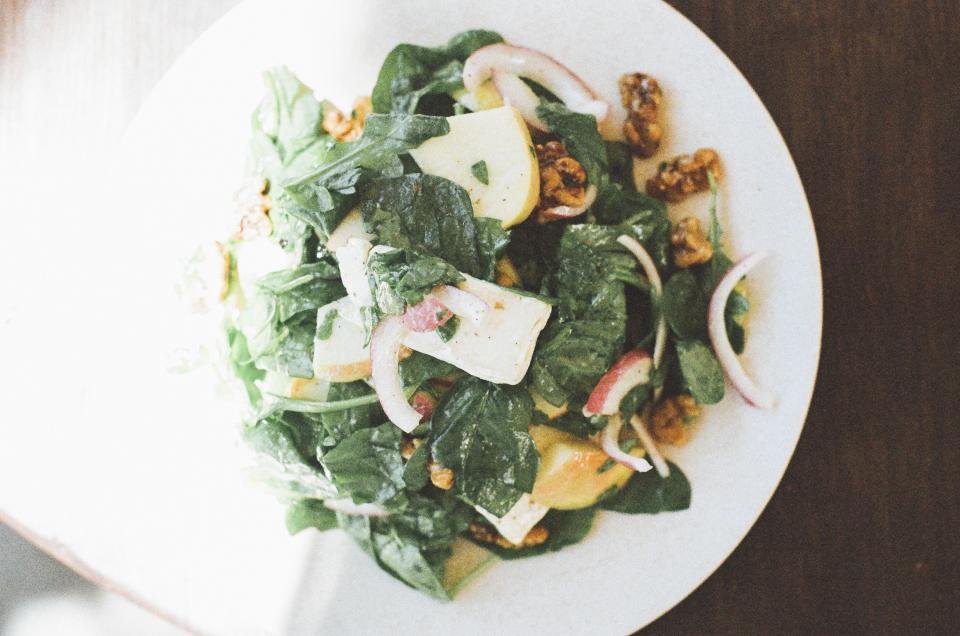
Homemade vinaigrette takes about five minutes, costs very little, and tastes brighter than most bottled dressings. Once you learn the basic formula, you can make dozens of variations using whatever oils, acids, and seasonings you have on hand. Here is how to make a classic version and adapt it to suit your meals.
The Basic Ratio
The traditional starting point is three parts oil to one part acid. That balance gives a dressing that is tangy but not harsh. Treat it as a guideline rather than a rule. If you like a sharper dressing, try two parts oil to one part acid.
For about half a cup of dressing, you will need:
- 6 tablespoons of extra-virgin olive oil or another oil you enjoy
- 2 tablespoons of vinegar, such as red wine, white wine, sherry, or apple cider vinegar
- 1 teaspoon of Dijon mustard
- 1 small garlic clove or half a small shallot, finely minced (optional)
- About 1/4 teaspoon of salt and a pinch of black pepper
- A small drizzle of honey or a pinch of sugar (optional)
Step-by-Step Instructions
- Start with the acid. Add the vinegar, salt, and pepper to a bowl. Salt dissolves better in vinegar than in oil, so seasoning at this stage gives a more even flavor.
- Add the flavor builders. Stir in the mustard, garlic or shallot, and any sweetener. Let the mixture sit for a few minutes if you are using raw shallot or garlic, which softens their bite.
- Whisk in the oil slowly. While whisking constantly, pour the oil in a thin, steady stream. The mustard acts as an emulsifier, helping the oil and vinegar blend into a slightly thickened dressing.
- Taste and adjust. Dip a lettuce leaf in the dressing rather than tasting it from a spoon, since that shows how it will actually taste on a salad. Add more salt, acid, or oil as needed.
The Jar Shortcut
If you do not want to whisk, put all the ingredients in a clean jar with a tight lid and shake hard for about 20 to 30 seconds. This method is quick, and the jar doubles as storage. Shake again just before serving.
Easy Variations
- Lemon: Swap the vinegar for fresh lemon juice and add a little grated zest.
- Balsamic: Use balsamic vinegar and skip the sweetener, since it is already sweet.
- Herb: Stir in chopped fresh parsley, basil, chives, or dill at the end.
- Asian-inspired: Use rice vinegar with a splash of soy sauce, a little toasted sesame oil, and grated ginger.
- Creamy: Whisk in a spoonful of plain yogurt or mayonnaise for a richer texture.
Storage and Serving Tips
Store vinaigrette in a covered container in the refrigerator. A simple oil-and-vinegar version keeps for a week or two, but use dressings made with fresh garlic, shallot, or herbs within a few days. Olive oil can firm up when cold, so let the dressing sit at room temperature for a few minutes and shake it well before using. Dress salads just before serving, and start with less than you think you need, adding more only if the leaves look dry.