How to Roast Vegetables in the Oven
Turn ordinary vegetables into caramelized, crispy-edged sides with the right oven temperature, cut size and pan setup.
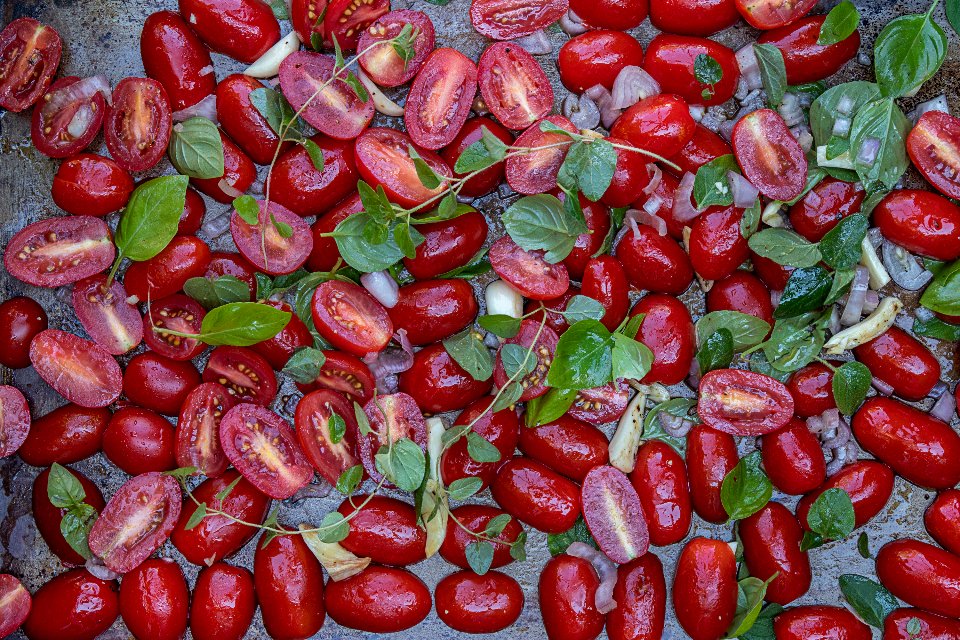
Roasting is the easiest way to make vegetables taste like something you actually want to eat. High heat browns their natural sugars, softens the insides and leaves the edges crisp. Once you understand a few basics, you can roast almost anything in your crisper drawer without a recipe.
Set Up for Success
Heat your oven to 425°F (220°C). That temperature is hot enough to brown vegetables before they turn mushy. While it heats, grab a large rimmed baking sheet. Lining it with parchment makes cleanup easier, although bare metal gives slightly deeper browning.
Prep and Season
- Wash the vegetables and dry them thoroughly. Water on the surface creates steam, and steam prevents browning.
- Cut everything into evenly sized pieces, roughly 1 to 1.5 inches, so they cook at the same rate.
- Put the pieces in a large bowl and toss with enough oil to coat lightly, about 1 tablespoon per pound.
- Season with salt and pepper. Add dried herbs or spices like garlic powder, smoked paprika or cumin now if you like.
- Spread the vegetables on the pan in a single layer with a little space between pieces. Use two pans if needed.
Crowding is the most common mistake. Piled-up vegetables steam instead of roast, so give them room.
Roasting Times by Vegetable
Times vary with your oven and the size of the pieces, so treat these as starting points at 425°F:
- Quick (15 to 20 minutes): asparagus, green beans, cherry tomatoes, zucchini, mushrooms
- Medium (20 to 30 minutes): broccoli, cauliflower, Brussels sprouts, bell peppers, onions
- Longer (30 to 45 minutes): potatoes, sweet potatoes, carrots, beets, butternut squash
Flip or stir everything once about halfway through. The vegetables are done when a fork slides in easily and the edges are deep golden brown. If you are mixing types on one pan, start the dense root vegetables first and add quicker ones partway through.
Finishing Touches
A little something added after roasting makes a big difference. Try one of these while the vegetables are still hot:
- A squeeze of lemon juice or a splash of balsamic vinegar
- Grated Parmesan or crumbled feta
- Chopped fresh parsley, dill or basil
- A drizzle of honey on carrots or sweet potatoes
Use oven mitts when stirring and pulling out the pan, since the oil on a hot tray can spatter.
Leftovers and Final Tips
Cool leftovers and refrigerate them in a covered container within two hours. They keep for three to four days and taste great in grain bowls, omelets or blended into soup. Reheat them in the oven or an air fryer rather than the microwave to bring back some crispness.
- Use an oil with a fairly high smoke point, like olive, avocado or canola oil.
- Add fresh garlic cloves only for the last 10 to 15 minutes so they don’t burn.
- Preheat the empty pan for extra-crispy potatoes.