How to Meal Prep for the Week
Save time and money with a simple weekly meal prep routine, from planning and shopping to batch cooking and storing food safely.
Meal prep means doing most of your cooking in one focused session so that weekday meals are ready when you are hungry. It cuts down on takeout, reduces food waste, and takes the daily stress out of deciding what to eat. You do not need fancy equipment or a rigid plan to start, just a few hours and a clear approach.
Plan Your Menu
Start small. Choose two or three recipes for the week instead of trying to prep every single meal. Good meal prep recipes hold up well in the fridge and reheat without turning soggy.
- Pick one or two proteins, such as roasted chicken thighs, baked tofu, hard-boiled eggs, or a pot of beans.
- Choose one or two grains or starches, like rice, quinoa, pasta, or roasted potatoes.
- Add sturdy vegetables that keep well, such as broccoli, carrots, peppers, cabbage, and green beans.
- Include a sauce or dressing to change the flavor from day to day.
Mixing and matching components gives you variety without cooking a dozen separate dishes.
Shop and Get Organized
- Check your fridge, freezer, and pantry to see what you already have.
- Write a shopping list grouped by store section so you move through quickly.
- Make sure you have enough airtight containers in useful sizes before you start cooking.
- Clear space in the fridge so finished food has somewhere to go.
Run an Efficient Cooking Session
The key to fast meal prep is keeping several things going at once. Work in this order:
- Start the longest jobs first. Get grains simmering and the oven preheating right away.
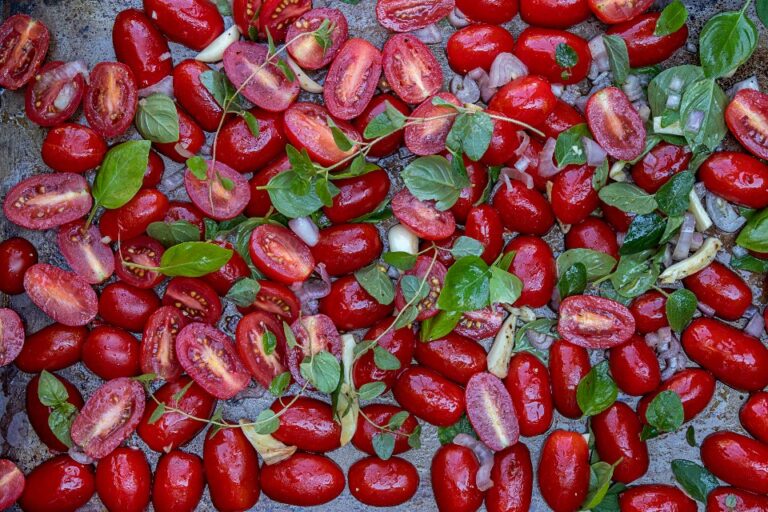
- Roast on sheet pans. Toss vegetables and proteins with oil and seasoning and roast them on separate pans so each cooks at its own pace.
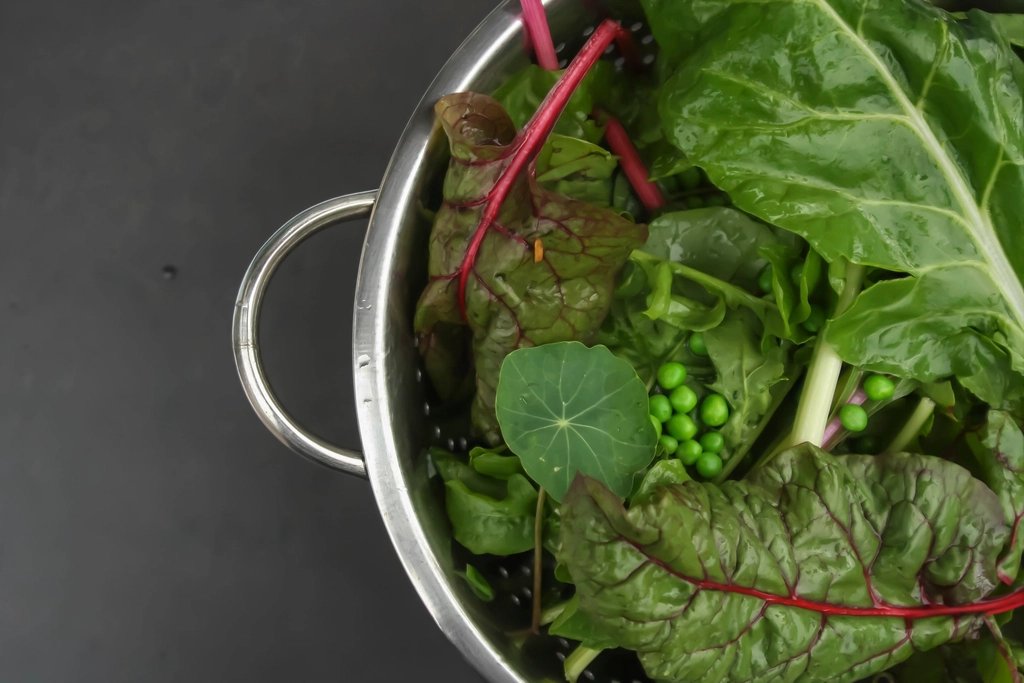
- Prep raw ingredients while things cook. Wash and chop salad greens, slice vegetables for snacks, and mix up a dressing or two.
- Clean as you go. Wash bowls and boards during the wait times so you are not left with a mountain of dishes.
- Let food cool briefly, then pack it. Divide everything into containers and get it into the fridge promptly rather than leaving it out for hours.
Store Food Safely
Most cooked meals keep well in the refrigerator for about three to four days. For the later part of the week, freeze a few portions and move them to the fridge to thaw the night before you need them. Label containers with the contents and the date so nothing gets forgotten at the back of a shelf. Reheat leftovers until they are steaming hot all the way through.
Keep wet and crisp items apart until you eat. Store dressings in small separate containers and add them just before serving so salads stay fresh.
Tips to Make It Stick
- Pick a regular prep day and time so it becomes a habit.
- Rotate recipes every week or two to avoid boredom.
- Cook double batches of soups, chili, and sauces and freeze the extra.
- Keep notes on what you actually ate and what went to waste, and adjust next week.
Even prepping just lunches or just ingredients will make your week noticeably easier, so start there and build up as it becomes routine.