How to Make Homemade Chicken Stock
Turn leftover bones and vegetable scraps into rich, flavorful chicken stock with a few hours of gentle simmering and careful cooling.
Homemade chicken stock is one of the most useful things you can keep in your kitchen. It gives soups, risotto, gravies and grains a depth that boxed broth rarely matches, and it costs almost nothing when you make it from bones you would otherwise throw away. Most of the time is hands-off simmering.
Gather Your Ingredients
- About 2 to 3 pounds of chicken bones: a leftover roast chicken carcass, backs, necks or wings
- 1 onion, quartered (the skin can stay on for color)
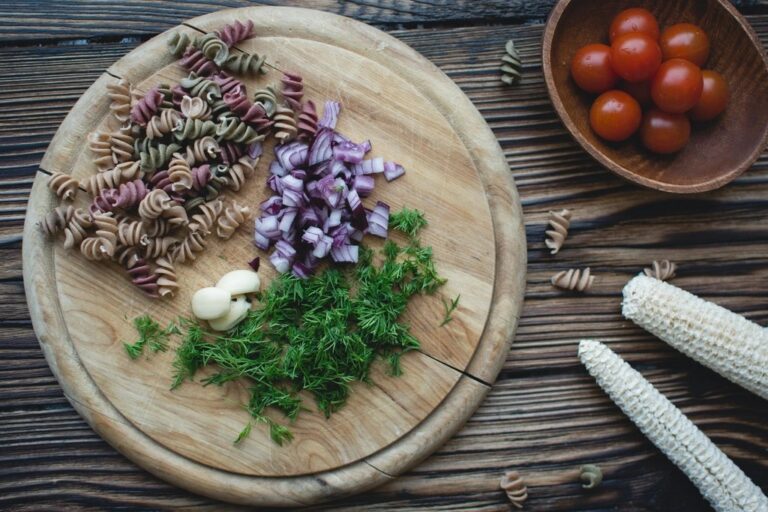
- 2 carrots and 2 celery stalks, cut into large chunks
- A few garlic cloves, lightly smashed
- A bay leaf, a handful of parsley stems and some whole peppercorns
- Cold water to cover, roughly 3 to 4 quarts
Saving vegetable trimmings in a freezer bag is an easy way to collect stock ingredients over time. Skip strong-flavored scraps like broccoli and cabbage, which can make stock taste bitter.
Simmer Low and Slow
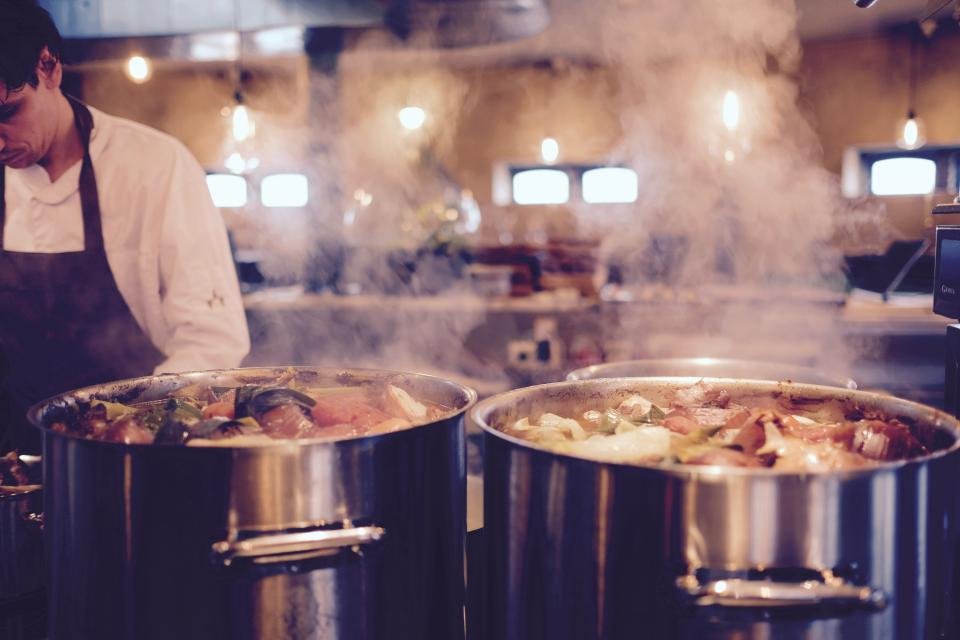
- Put the bones and vegetables in a large stockpot and cover with cold water by an inch or two.
- Bring the pot just to a boil over medium-high heat, then immediately turn it down to a bare simmer, with only a few small bubbles breaking the surface.
- Skim off any gray foam that rises during the first half hour with a large spoon.
- Simmer uncovered for 3 to 4 hours, adding a little water if the bones become exposed.
Keep the heat gentle. A hard boil churns fat into the liquid and makes the stock cloudy and greasy. Leave out salt for now so you can season each dish you use it in.
Strain and Cool Quickly
Pour the stock through a fine-mesh strainer into a large bowl or another pot, and discard the solids. Carry the hot pot carefully, and consider ladling some out first to make it lighter.
Cooling is the step people most often skip, and it matters for food safety. A big pot of hot stock takes a long time to cool in the fridge and can linger in the temperature range where bacteria grow. Speed things up by dividing it into shallow containers, or setting the bowl in a sink of ice water and stirring. Get it into the refrigerator within two hours.
Storing Your Stock
Once chilled, a layer of fat will harden on top. Lift it off and discard it, or save it for roasting potatoes. A wobbly, jelly-like texture is a good sign; it comes from collagen in the bones and melts when heated.
- Refrigerate stock and use it within three to four days.
- Freeze it for up to several months in containers, leaving room at the top for expansion.
- Freeze small amounts in ice cube trays for pan sauces.
A Few Final Tips
Roast raw bones at 425°F until browned before simmering for a deeper, darker stock. Label every container with the date. When you use it, bring stock to a boil before adding it to a recipe that won’t cook it further.