How to Start Seeds Indoors
Get a head start on the growing season by starting seeds indoors with the right timing, containers, light and gradual hardening off.
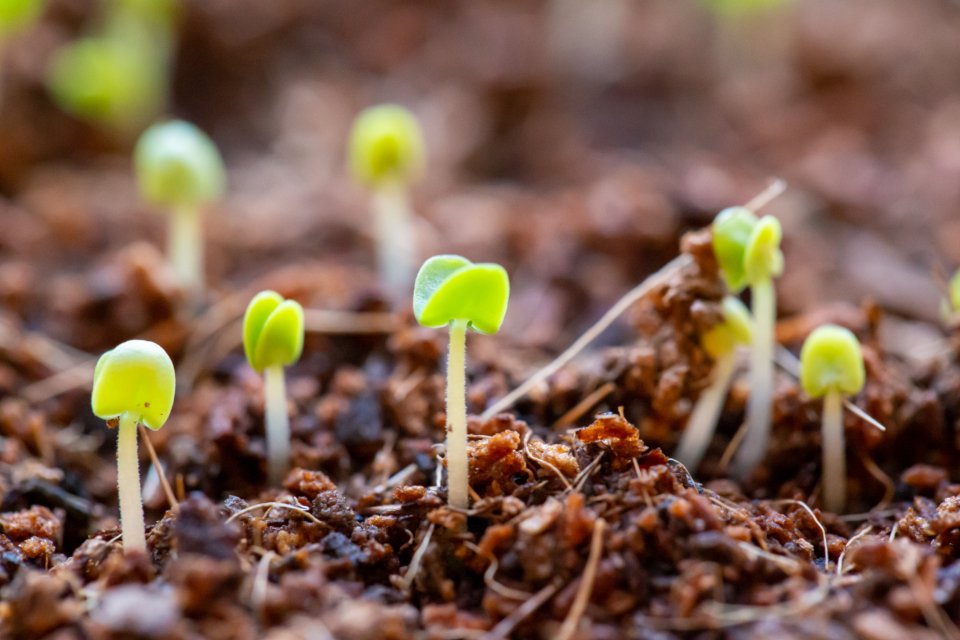
Starting seeds indoors gives you a jump on the growing season and opens up far more variety than you will find at the garden center. It is also cheaper than buying transplants. Tomatoes, peppers, broccoli and many flowers all benefit from an early indoor start, while root crops like carrots and radishes are better sown directly outside.
Get the Timing Right
Start by looking up the average last spring frost date for your area, often available from your local extension service. Then check each seed packet, which usually tells you how many weeks before that date to sow indoors. Peppers often need 8 to 10 weeks, tomatoes 6 to 8 weeks, and fast growers like squash only 2 to 4 weeks. Starting too early leaves you with leggy, overgrown seedlings.
Gather Your Supplies
- Seed trays, cell packs or clean recycled containers with drainage holes
- Fresh seed-starting mix, which is lighter and finer than regular potting soil
- A tray to hold containers and catch water
- A clear humidity dome or plastic wrap
- A grow light or shop light
- Plant labels and a waterproof marker
If you reuse containers, wash them in soapy water first to prevent disease. Wear gloves when handling seed-starting mix, and keep seed packets, especially treated seeds, out of reach of kids and pets.
Sowing Step by Step
- Moisten the seed-starting mix until it feels like a damp sponge, then fill your containers.
- Sow two or three seeds per cell at the depth listed on the packet. A common rule is about twice the seed’s width.
- Cover lightly with mix and press gently. Some tiny seeds need light to sprout and should only be pressed onto the surface.
- Label every container right away.
- Cover with a humidity dome and keep the trays somewhere warm. Many seeds sprout best around 70 to 75°F.
Caring for Seedlings
As soon as the first sprouts appear, remove the cover and move the seedlings under light. Windowsills rarely provide enough light, which leads to tall, weak stems. Keep grow lights just a few inches above the seedlings, raising them as the plants grow, and run them for about 14 to 16 hours a day.
Water from the bottom by pouring water into the tray and letting the mix soak it up, then empty any excess after 20 minutes. Keep the mix moist but never soggy. When seedlings develop their first set of true leaves, snip off the weakest ones at soil level so one strong plant remains per cell.
Hardening Off and Transplanting
Seedlings raised indoors need a gradual introduction to sun, wind and cooler temperatures. About a week or two before transplanting, set them outside in a sheltered, shady spot for an hour or two, then increase their time and sun exposure a little each day. Once they can handle a full day outdoors and the weather is right, transplant them on a cloudy day or in the evening and water well.
Final Tips
A small fan on low near your seedlings strengthens stems and improves airflow. Keep notes on sowing dates and results so you can fine-tune your timing next year.