How to Build a Raised Garden Bed
Build a simple wooden raised bed that warms early, drains well and makes planting, weeding and harvesting easier on your back.
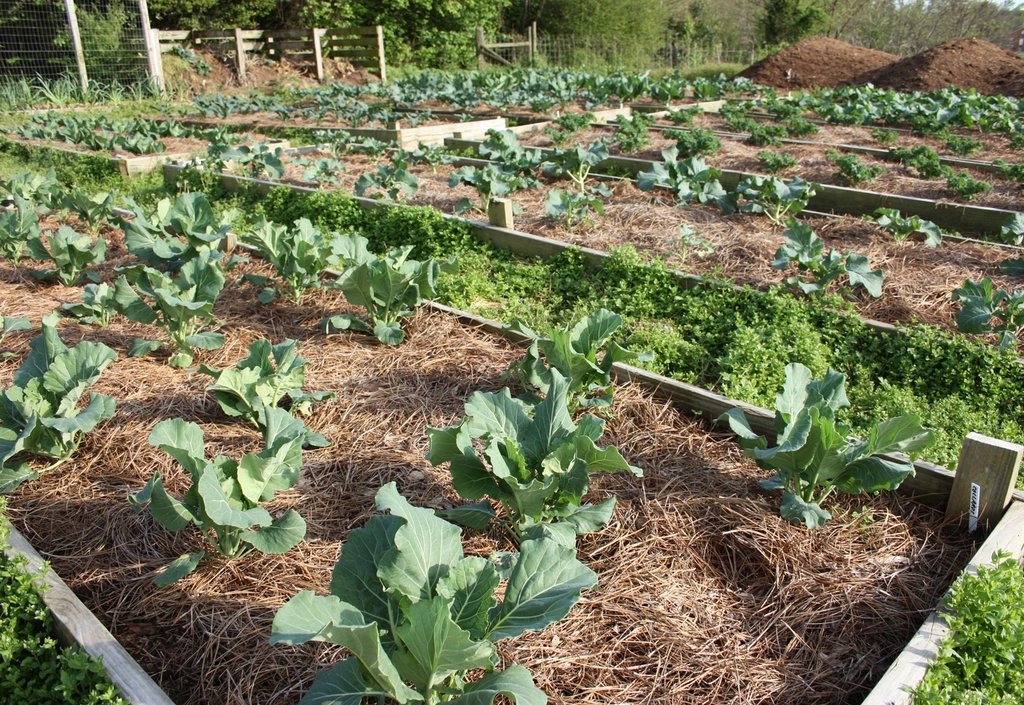
Raised beds are a favorite with home gardeners for good reason. They let you control the soil, drain well after heavy rain, warm up earlier in spring and mean less bending. Even if your yard has heavy clay or rocky ground, a raised bed gives you a fresh start. A basic wooden bed takes an afternoon to build.
Plan the Size and Spot
Choose a level location that gets at least six to eight hours of direct sun if you plan to grow vegetables. Keep it within reach of a hose. Width matters more than length: about 4 feet wide lets most people reach the center from either side without stepping on the soil. Against a fence, keep it closer to 2 or 3 feet wide. A height of 10 to 12 inches suits most crops, and taller beds are easier on knees and backs.
Gather Materials
- Untreated, naturally rot-resistant lumber such as cedar, or wood rated for ground contact
- Exterior-grade screws, about 3 inches long
- 4×4 corner posts or metal corner brackets
- A drill, tape measure, level and saw (many stores will cut boards for you)
- Safety glasses, work gloves and hearing protection if using power tools
Avoid old railroad ties and wood treated with outdated preservatives, which may contain chemicals you don’t want near food crops. Modern pressure-treated lumber is considered safe by many experts, but some gardeners prefer untreated wood or lining the inside walls for peace of mind.
Assemble the Frame
- Cut boards to length: for a 4-by-8-foot bed, two 8-foot boards and two 4-foot boards per layer.
- Lay out the pieces on a flat surface and attach each side board to a corner post, with screws driven into pre-drilled holes to prevent splitting.
- Connect all four sides into a rectangle, then check that it is square by measuring both diagonals; they should match.
- Add a second layer of boards if you want a taller bed.
- For beds longer than 6 feet, add a cross brace or center stake on each long side to stop bowing.
Prepare the Ground and Fill
Set the frame in place and use a level, digging out high spots as needed. Remove grass inside the frame or smother it with plain cardboard, which will break down over time. If burrowing pests like gophers are a problem, staple hardware cloth across the bottom first.
Fill the bed with a blend of good topsoil and compost, often mixed at roughly 60 to 70 percent topsoil to 30 to 40 percent compost, or buy a ready-made raised bed mix. Avoid filling with plain bagged potting mix, which can be expensive and dry out quickly in large volumes. Water the soil well and let it settle for a few days, topping it up as needed.
Tips for Long-Term Success
- Add a few inches of compost every year, since soil settles and breaks down.
- Mulch the surface with straw or shredded leaves to hold moisture.
- Lay mulch or gravel paths between beds to keep feet out of the mud.