How to Start a Compost Pile at Home
Turn kitchen scraps and yard waste into rich garden soil by balancing greens and browns, keeping the pile moist and turning it regularly.
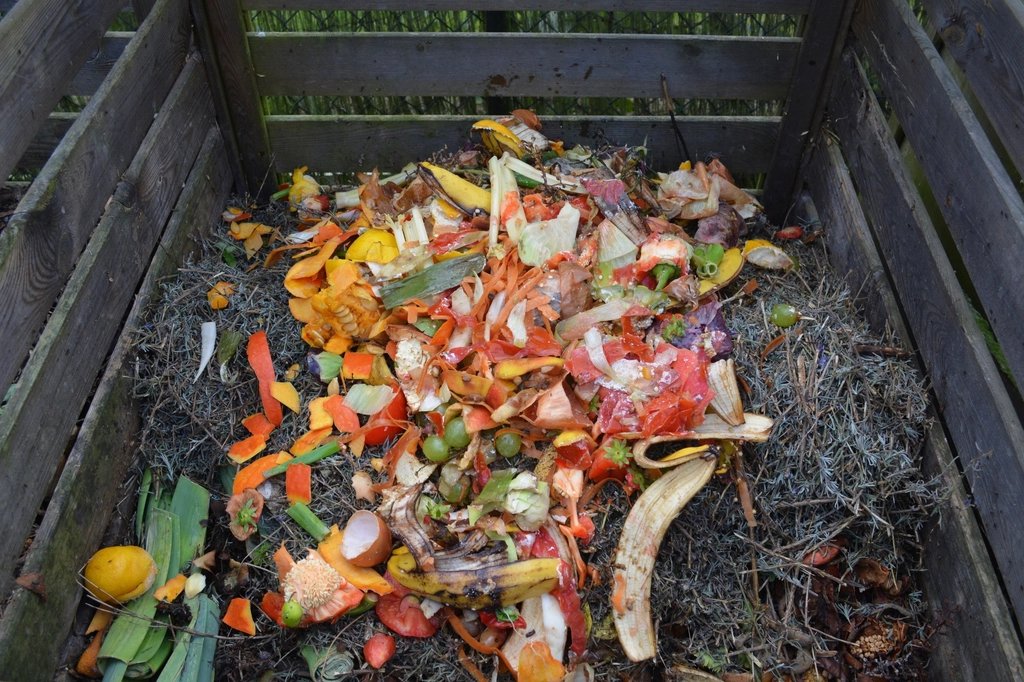
Composting turns food scraps, leaves and grass clippings into dark, crumbly material that feeds your soil and helps it hold moisture. It also keeps a surprising amount of waste out of the trash. You don’t need special equipment to get started, just a little space and an understanding of what the pile needs.
Choose a Spot and a Container
Pick a level, well-drained area that is easy to reach from your kitchen and garden, ideally in partial shade so the pile doesn’t dry out too fast. You can compost in an open pile, a homemade bin of wire or pallets, or a store-bought bin or tumbler. Closed bins look tidier and discourage animals, which matters in neighborhoods with close neighbors. Check whether your city has any rules about backyard composting.
Balance Greens and Browns
A healthy pile needs a mix of two kinds of material:
- Greens (nitrogen-rich): fruit and vegetable scraps, coffee grounds, tea leaves, fresh grass clippings and plant trimmings
- Browns (carbon-rich): dry leaves, straw, shredded newspaper, plain cardboard, small twigs and sawdust from untreated wood
A good rule of thumb is roughly two to three parts browns to one part greens by volume. Too many greens make a smelly, slimy pile; too many browns make a pile that barely breaks down.
What to Leave Out
- Meat, fish, bones, dairy and greasy foods, which attract pests and smell
- Pet waste and used cat litter, which can carry harmful organisms
- Diseased plants and weeds that have gone to seed
- Glossy or coated paper and anything treated with pesticides
Build and Maintain the Pile
- Start with a few inches of coarse browns, like twigs or straw, on the bottom for airflow.
- Add alternating layers of greens and browns, chopping larger pieces so they break down faster.
- Cover each new addition of food scraps with a layer of browns to reduce odors and fruit flies.
- Keep the pile about as damp as a wrung-out sponge, watering it during dry spells.
- Turn the pile with a garden fork every week or two to add oxygen and speed decomposition.
Wear gloves and sturdy shoes when turning compost, and wash your hands afterward. If you have small children or curious pets, a lidded bin keeps them out of it.
Knowing When It’s Ready
Finished compost is dark brown, crumbly and smells earthy, and you can no longer recognize the original materials. Depending on the season and how often you turn it, this can take anywhere from a couple of months to a year. Sift out any large chunks and toss them back into the active pile.
Troubleshooting
- Rotten smell: add more browns and turn the pile to let air in.
- Nothing happening: add greens and a little water.
- Pests: remove any food that shouldn’t be there and bury scraps deeper.
Spread finished compost over garden beds or mix it into potting soil for a natural boost.